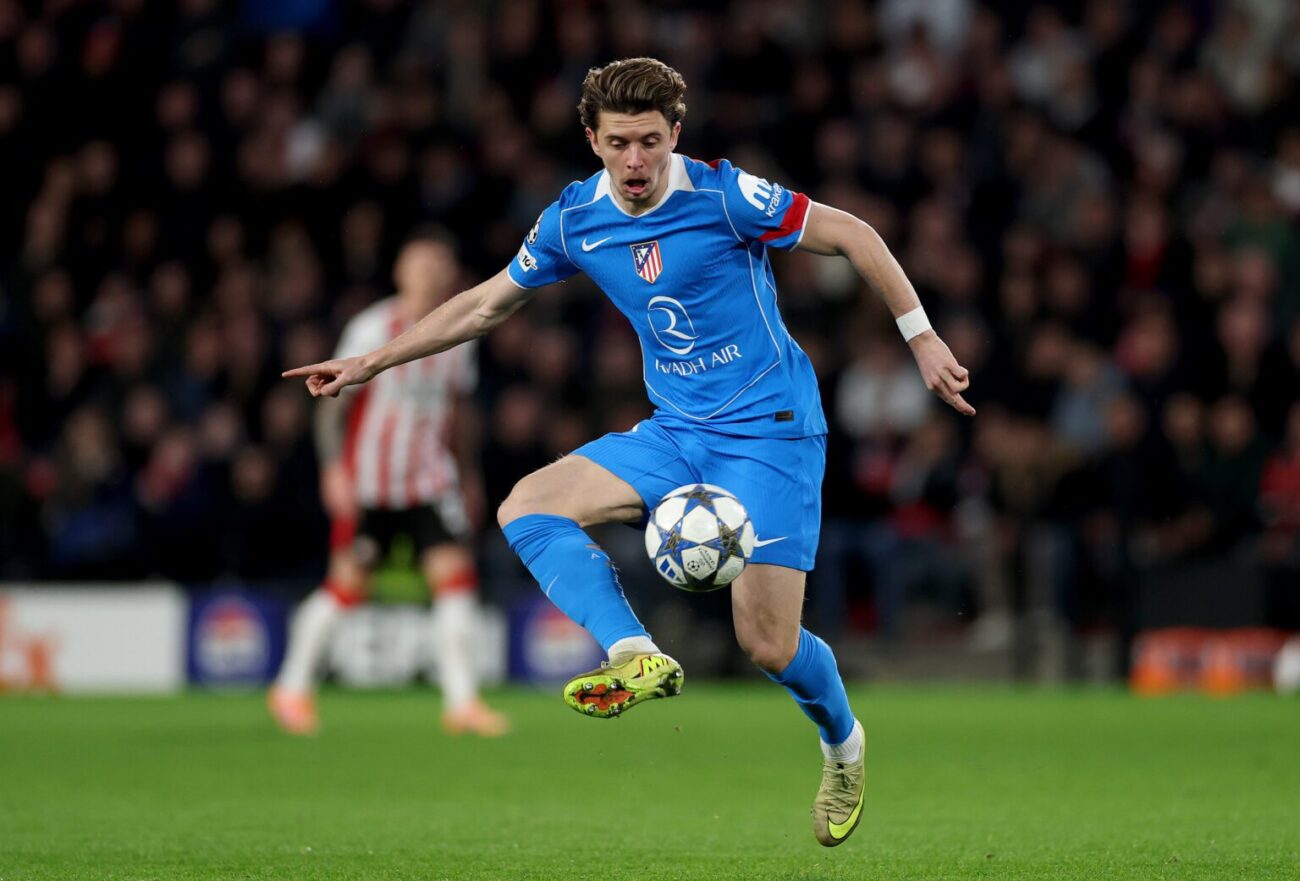
Tottenham Hotspur appear set to complete the signing of Conor Gallagher this January, beating Premier League rivals Aston Villa to the midfielder’s signature. According to respected reports, the England international is due to arrive in England to complete his medical and finalise the details of a long-term deal that will take him back to the Premier League after a frustrating spell in Spain.
On the surface, this move feels logical. Gallagher is a proven top-flight player, still only 25, with endless energy and a strong reputation for hard work. He presses relentlessly, covers ground for fun and never hides in difficult moments.
With Rodrigo Bentancur expected to miss a large part of the season through injury, Tottenham clearly needed midfield reinforcement, and Gallagher seems like a ready-made solution.
However, when you look beyond the headline, this transfer raises serious questions about whether Spurs have truly learned from their past mistakes. For years, Tottenham have built midfields full of runners, tacklers and high-intensity players, yet consistently failed to address their biggest weakness: control.

Gallagher adds more movement and aggression, but he does not solve the core problem that has haunted this team through multiple managers and rebuilds.
Tottenham already have legs in midfield. Joao Palhinha is a pure ball-winner who thrives on breaking up play but offers little calm or creativity in possession. Pairing him with Gallagher risks creating a midfield that is constantly chasing the game rather than controlling it.
Instead of dictating tempo, Spurs could find themselves locked in end-to-end battles where structure disappears and matches become chaotic.
Gallagher’s style is direct and vertical. He wants to press high, arrive late in the box and keep the intensity sky-high. That can be useful in the right setup, but it works best when balanced by a midfielder who can slow things down, take the ball under pressure and bring order when games become frantic. Tottenham do not currently have that player, and Gallagher does not provide it.
This is where the frustration lies for many observers. Spurs have made this mistake before. They sign midfielders who look impressive because they run, tackle and compete, but football at the highest level is not just about effort.
It is about control, intelligence and rhythm. Without someone who can hold the ball, resist the press and connect defence to attack, Tottenham will continue to struggle against organised opponents.
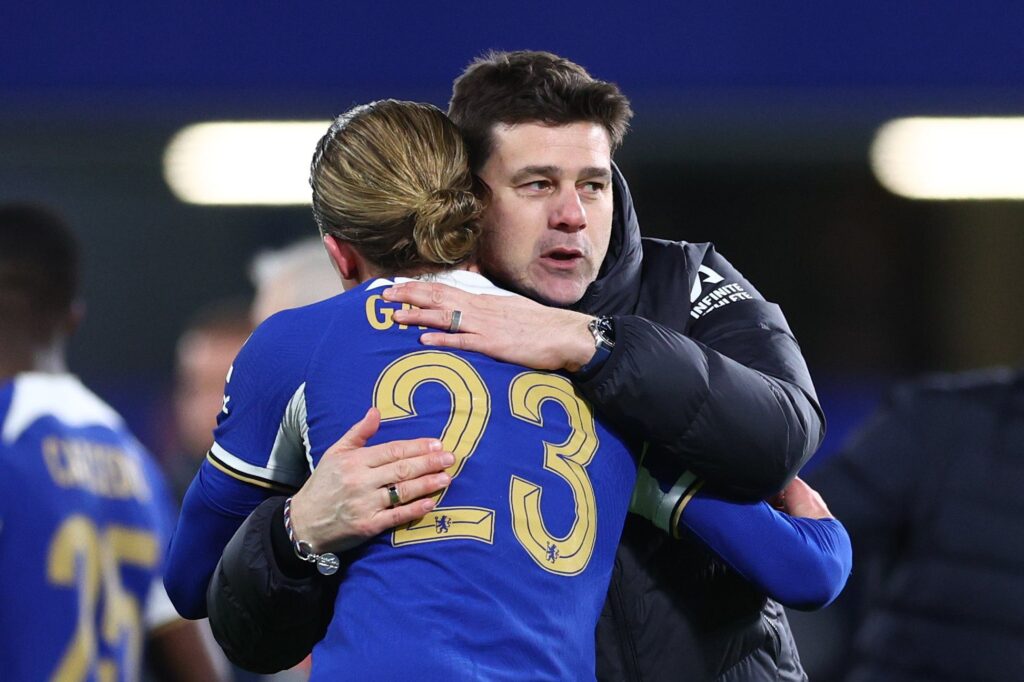
Think back to the best midfields Spurs have had in recent memory. Mousa Dembele was not flashy, but he gave the team balance. He could shield the ball, escape pressure and allow others to play. That type of presence is what this squad desperately lacks. Gallagher, for all his qualities, is not that player.
That does not make Gallagher a bad signing in isolation. He is reliable, experienced and mentally strong. In the right system, he can be a valuable contributor. But context matters, and in this Tottenham side, his arrival feels like another square peg being forced into a round hole. The concern is not about his ability, but about fit.
Spending close to €40 million on a player who does not address the team’s most obvious weakness feels risky. Tottenham are once again prioritising energy over structure, intensity over intelligence. It is a pattern supporters have seen too many times, and one that has consistently held the club back.
If Thomas Frank plans to build a midfield based on control and composure, Gallagher does not naturally fit that vision. If the plan is to overwhelm teams with pressure and running, Spurs may enjoy moments of success but will continue to lack consistency. Without balance, the cycle will repeat.
This transfer may excite some fans initially, but unless Spurs finally address their need for a true controlling midfielder, it risks becoming another expensive lesson. Tottenham have been here before, and the worry is that they still have not learned.
