The atmosphere at the Tottenham Hotspur Stadium, once a fortress of unwavering noise and optimism, is facing a sobering reality check as the club prepares for a pivotal battle against Crystal Palace.
This Thursday evening, as the floodlights hum over North London, the team may look up to find thousands of empty seats staring back at them. It is a haunting prospect for a club of this stature, especially considering that the fixture is no mere mid-season formality.
With Tottenham currently embroiled in a desperate scrap for Premier League survival, the silence of a half-empty arena could be the loudest indictment yet of the club’s current trajectory.
The timing of this potential boycott be it intentional or a byproduct of apathy could not be worse. Following a demoralizing 2-1 defeat at Fulham last Sunday, the squad finds itself languishing just four points above the relegation zone. Perhaps even more staggering is the fact that Spurs have yet to record a single victory in the calendar year of 2026.
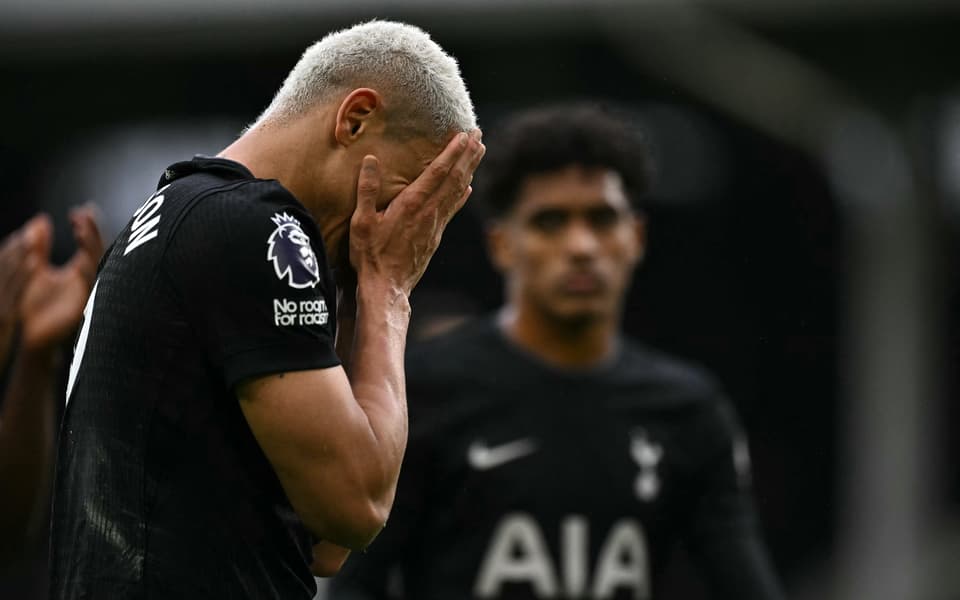
For a fanbase accustomed to European nights and top-four ambitions, the sudden pivot to a relegation dogfight has been a bitter pill to swallow. The disconnect between the board and the supporters has widened, and it seems the physical manifestation of that rift will be visible on the stadium’s vast tiers this Thursday.
Several factors have converged to create this perfect storm of empty seats. First and foremost is the team’s abysmal form on the pitch. When results fail to materialize, even the most loyal season ticket holders find it difficult to justify the trek to the stadium.
Compounding this is the controversial issue of ticket pricing. At a time when the product on the grass has arguably never been poorer in the modern era, the cost of attendance remains among the highest in world football. When you add an 8:00 PM kick-off on a school night into the mix, the logistical hurdles for many working-class fans and families become insurmountable.
This is not an isolated incident. Throughout the current campaign, the club has struggled to fill its state-of-the-art home. Glaring patches of blue plastic were visible during high-profile matches against Newcastle, as well as European encounters with Copenhagen, Villarreal, and Borussia Dortmund.
However, those matches carried a different weight. Seeing a lack of engagement during a crucial relegation six-pointer suggests a deeper level of exhaustion among the supporters. The Tottenham Hotspur Supporters’ Trust (THST) has been vocal about this trend, noting that while the team requires backing now more than ever, the club’s historical stubbornness regarding ticket flexibility has previously made matters worse.
In a rare move of concession, the club has finally opened the ticket exchange platform for the Palace match and the upcoming fixture against Nottingham Forest. This allows season ticket holders who cannot or will not attend to resell their seats to other members.
Usually, the club only activates this feature once a game is officially “sold out.” By relaxing this rule now, the hierarchy is effectively admitting that the stadium will not be full on its own merit.
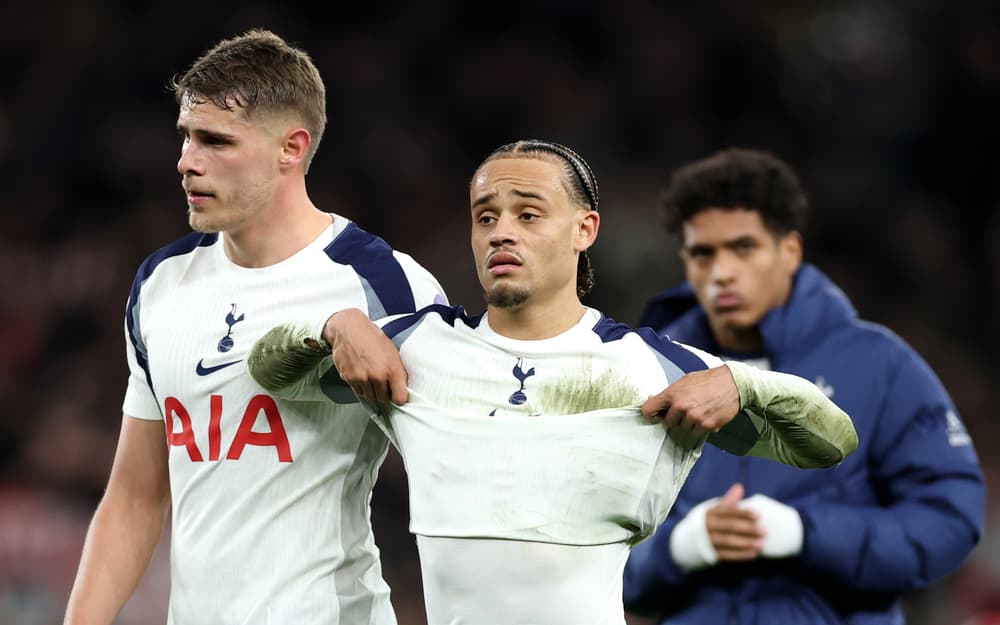
The THST has welcomed this decision, though they pointed out that they had requested the same measure before the Newcastle match, only to be ignored. The resulting empty seats during that televised game were an embarrassment that the board seems keen to avoid repeating.
| Season Attendance Trends | Capacity | Estimated Vacancy | Impact Level |
| Early Season (August-Oct) | 62,850 | <1% | Negligible |
| Mid-Season Slump (Nov-Jan) | 62,850 | 5-8% | Moderate |
| Relegation Battle (Feb-March) | 62,850 | 12-15% | High |
The Supporters’ Trust remains in a difficult position, acting as a bridge between a frustrated fanbase and a struggling team. A spokesperson for the Trust emphasized that while they are pleased the club is finally listening to feedback regarding the exchange platform, the ultimate goal is to ensure the stadium is a “wall of sound” for the players.
There is a collective understanding that a toxic or quiet home environment only serves to help the opposition. For Igor Tudor’s side, the psychological weight of playing in a cavernous, quiet stadium could be devastating. They need the “12th man” to help bridge the gap in quality and confidence that has plagued them for months.
The financial implications are also significant. A stadium of this caliber was built on the premise of maximum occupancy and high matchday revenue. If thousands of seats remain empty, it affects everything from food and beverage sales to the club’s perceived value by global sponsors.
More importantly, it signals to the rest of the league that the “Tottenham project” is currently in a state of hibernation. As the club circles the drain of the bottom three, the lack of demand for tickets is a clear metric of how far the brand has fallen in the eyes of its own community.
Ultimately, Thursday night will be a test of the fans’ resolve. Will they turn up to drag their team across the finish line, or has the frustration finally outweighed the loyalty? The club has made a small tactical victory by opening the exchange, but the real victory needs to happen on the pitch.
If the seats remain empty and the result goes against them, the silence will be remembered as the moment the light truly began to fade on Spurs’ Premier League status. Filling the stadium is the first step toward survival; whether the fans are willing to take that step remains to be seen.
