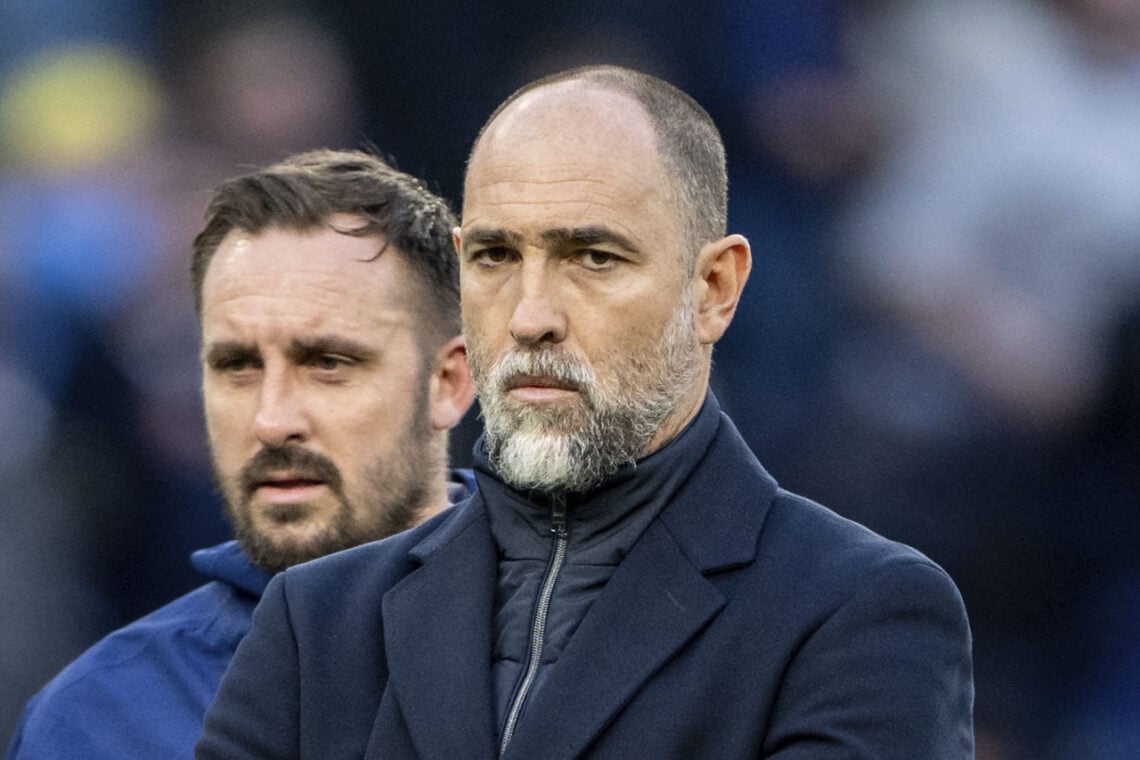
The search for a new structural identity at Tottenham Hotspur is intensifying as the club looks to provide much-needed support for interim manager Igor Tudor. Following a difficult start to his tenure, which saw the team suffer two straight defeats, the hierarchy in North London has realized that tactical changes on the pitch are not enough.
To truly turn the tide, the club needs a complete overhaul of its recruitment and sporting strategy. With the recent departure of Fabio Paratici to Fiorentina leaving a significant void, Spurs are now aggressively pursuing a top-tier sporting director to work alongside Johan Lange and rebuild a squad that has looked increasingly disjointed.
The exit of Paratici was a major blow to the club’s long-term planning. Although Johan Lange has remained in his post and expressed high ambitions for the upcoming summer transfer window, the scale of the task is simply too large for one person.
The club needs a visionary who can navigate the complex waters of the Premier League and the global transfer market. To that end, two high-profile names have emerged at the top of Tottenham’s wishlist: Chelsea’s Paul Winstanley and Dougie Freedman, currently of Al-Diriyah. Both men possess a proven track record of identifying elite talent and executing successful recruitment strategies in England.
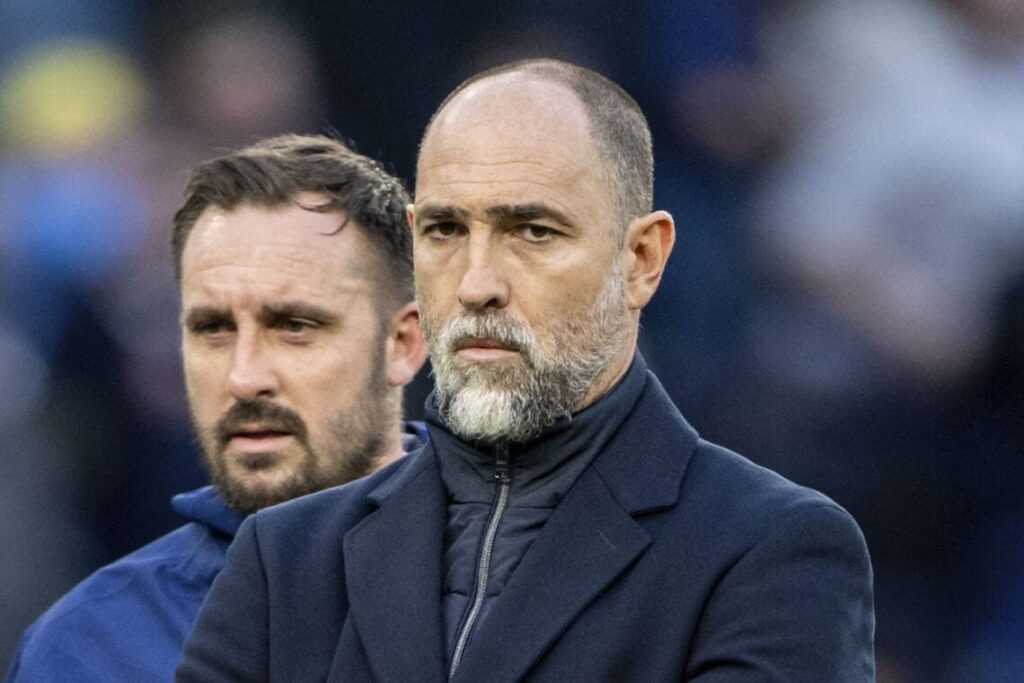
Paul Winstanley is a name that commands respect in scouting circles. Since joining Chelsea in late 2022, he has been the architect behind some of the most significant moves in the league. His fingerprints are all over the signings of Cole Palmer, Moises Caicedo, and the exciting young talent Estavao Willian.
Perhaps most interestingly for Spurs fans, Winstanley spent a season working closely with Mauricio Pochettino at Stamford Bridge. Given that Pochettino is widely considered a leading candidate to return to the Tottenham dugout, hiring a director with whom he already has a functional, successful relationship would be a strategic masterstroke.
On the other hand, Dougie Freedman offers a different but equally impressive profile. He is the man credited with transforming Crystal Palace into one of the most efficient “talent factories” in the country.
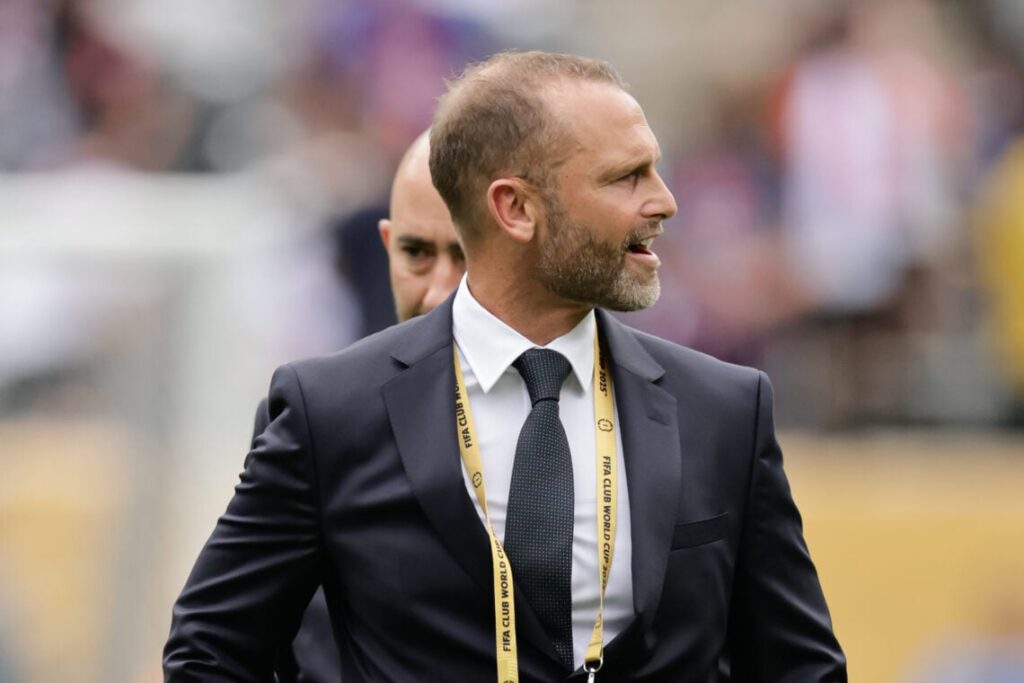
During his time at Selhurst Park, he secured the signatures of Eberechi Eze, Marc Guehi, and Michael Olise—players who have since seen their market values skyrocket. His ability to find high-value assets for relatively modest fees is exactly the kind of expertise Tottenham needs as they look to rebuild without the guaranteed riches of Champions League football next season.
However, securing either of these targets will be far from easy. Winstanley recently signed a long-term contract extension at Chelsea that keeps him tied to the club until 2031. It is highly unlikely that their London rivals would allow such a key figure to jump ship to a competitor without a massive compensation package.
Similarly, Freedman only recently embarked on a new project with the Saudi club Al-Diriyah. While the allure of the Premier League remains strong, the financial power and ambitious projects currently being built in the Middle East represent a significant hurdle for Spurs to overcome.
Despite these obstacles, the club’s determination to bring in a new director before appointing a permanent head coach is a sign of a new, more logical approach. In the past, Tottenham has often been criticized for hiring managers and then trying to find players to fit their systems, leading to a mismatched and expensive squad.
By putting a sporting director in place first, the club ensures that the next manager is chosen specifically to fit a long-term recruitment philosophy. This “recruitment first” model is designed to stop the cycle of panic-buying and short-term fixes that has plagued the club in recent years.
| Candidate | Current Club | Notable Signings | Status |
| Paul Winstanley | Chelsea | Cole Palmer, Moises Caicedo | Contracted until 2031 |
| Dougie Freedman | Al-Diriyah | Marc Guehi, Eberechi Eze | Recently joined Saudi project |
| Johan Lange | Tottenham | Micky van de Ven (as part of team) | Current Sporting Director |
The timing of this move is critical. With only ten games left in the season and the threat of relegation still hovering over North London, the club needs to show its fans and its prospective targets that there is a clear plan for the future.
Providing Igor Tudor with a robust sporting department would not only boost his chances of survival but also lay the groundwork for whoever takes the reins permanently in the summer. Whether it is Winstanley, Freedman, or another high-level executive, the message from the Tottenham boardroom is clear: the current state of affairs is unacceptable, and the rebuild starts from the top down.
The next few months will be a defining period for the institution. If they can successfully land a world-class sporting director, they might finally be able to build a team that matches the world-class infrastructure they already possess.
If they fail, they risk further years of instability and underachievement. For the supporters, the hope is that this new search marks the end of the “Paratici era” of chaos and the beginning of a more measured, successful chapter in the club’s history.
