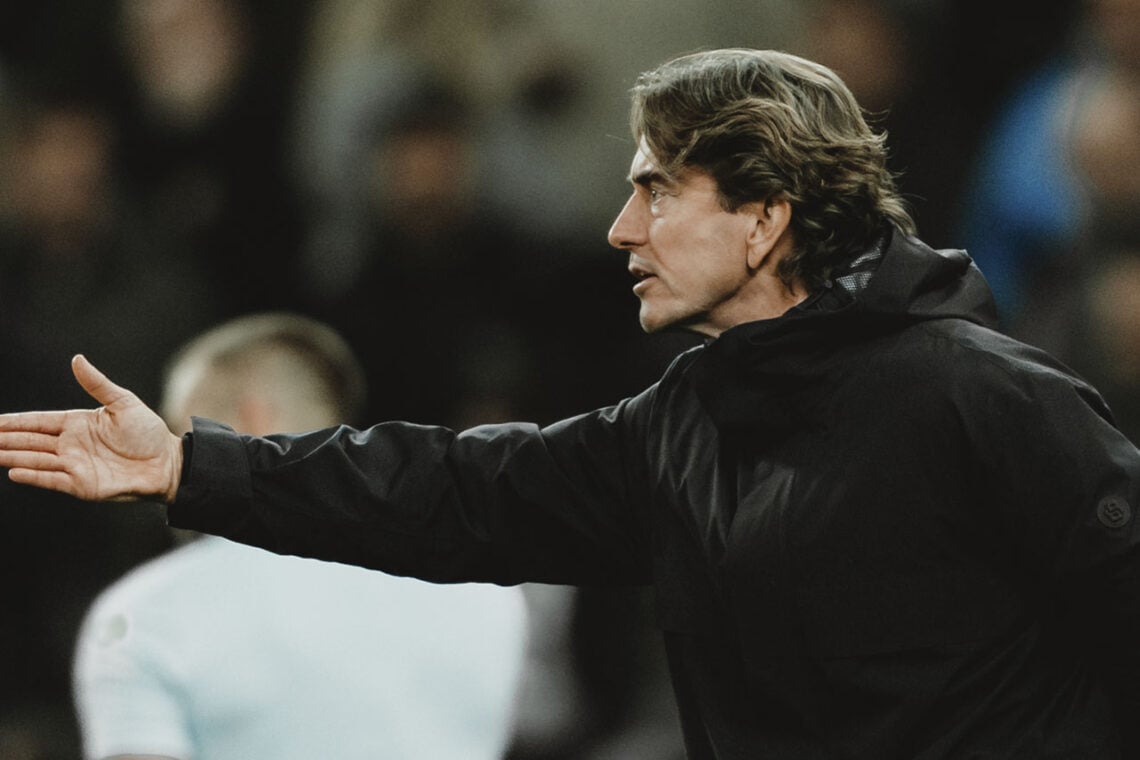
For more than a decade, Tottenham Hotspur’s dressing room has been a place where frustration has quietly grown into something far more disruptive.
What should be a space of unity, ambition, and shared belief has instead become a mirror of the club’s long-running struggles. Constant upheaval in the managerial seat, cautious investment in the squad, and the weight of expectations that never quite lead to trophies have all shaped an environment where unrest feels almost normal.
Under ENIC’s ownership since 2001, Spurs have put financial stability, infrastructure, and long-term planning ahead of bold football decisions, and while that has kept the club steady off the pitch, it has often left the dressing room feeling uncertain and unsupported.
In recent months, sources close to the squad say confusion has grown even more. Players are unsure about their roles during games, with tactical plans reportedly changing either shortly before kick-off or unbelievably early once the match starts.
This kind of instability makes it difficult for any squad to function, and Tottenham’s players seem to be caught in a cycle where clarity appears only in brief moments. When a team doesn’t know what it is supposed to be doing from week to week, performances naturally suffer.
This isn’t a new story at Spurs. Andre Villas-Boas’ time at the club was short and chaotic. He lost Gareth Bale to Real Madrid without getting the key signings he believed were needed to compete.
Players at the time were said to be “disenchanted,” and some of the more senior members of the squad openly questioned his authority. His dismissal after just 18 months showed how early signs of tension between the board, the coaching staff, and the players turned into something unmanageable.
Transfer frustration has been a recurring theme. During Mauricio Pochettino’s era arguably the most exciting period Spurs fans have experienced since the early 90s the club still failed to refresh the squad when it needed it most.
A report claimed players grew jealous of Daniel Levy’s salary, while others struggled under the pressure of Pochettino’s intense moods. When Tottenham suffered a poor loss to Brighton in 2019, a team meeting exposed just how drained the players were.
Many admitted they had nothing left to give, physically or mentally. Pochettino was dismissed shortly after, not because he lost the respect of the squad, but because the club’s reluctance to strengthen had slowly worn everyone down.
Those cracks widened under José Mourinho. The lack of investment in certain roles, particularly centre-back, created resentment.
Tensions with players like Tanguy Ndombele were widely reported, and Mourinho’s icy relationships within the squad made it clear he was losing support well before he was sacked. The fact he was fired just days before a cup final only magnified how poor the atmosphere had become.
Then came Nuno Espírito Santo, who barely had a chance. Reports described the dressing room as “toxic,” and many players felt lost as the club wrestled with the emotional aftermath of Pochettino’s departure.
Antonio Conte followed and brought with him an explosive temperament that became impossible to control. His on-air rant after the Southampton match, where he tore into the squad and even targeted the club’s culture, was the final straw. He arrived promising success but left having set fire to almost every relationship he built.
Ange Postecoglou began with optimism but soon found himself caught in the same storm. His inability to grasp the intensity of the rivalry with Arsenal and his confrontations with supporters damaged his connection with fans. Despite strong early performances, the goodwill didn’t last long.
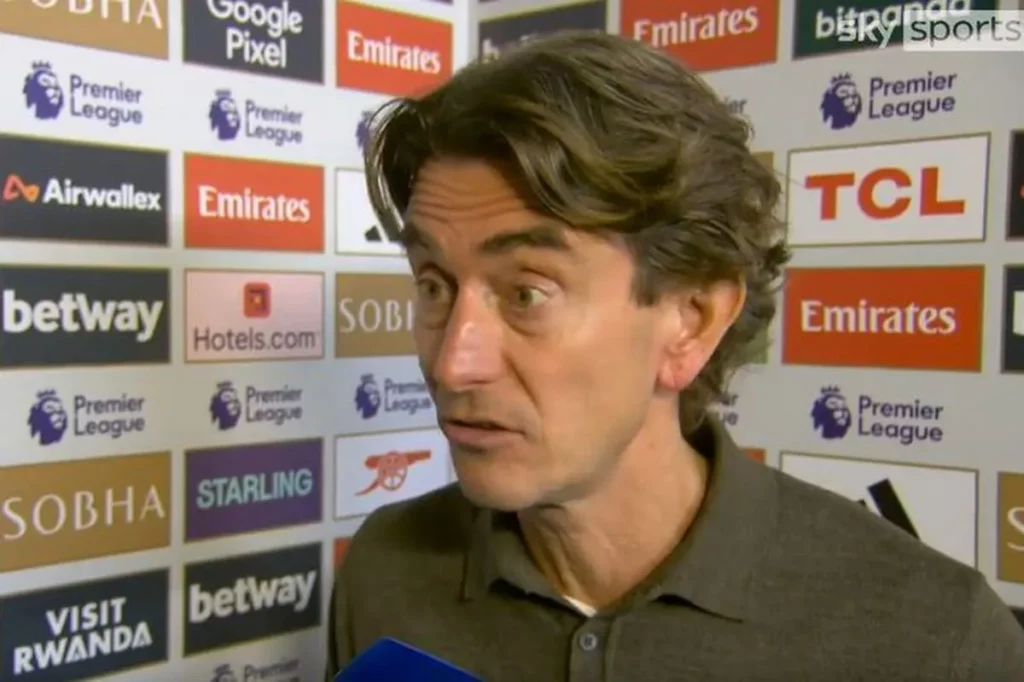
Now Thomas Frank finds himself in the middle of another turbulent chapter. His comments about fans booing did not land well, and with results turning sour, the sense of disconnect feels familiar.
The pattern is repeating itself so clearly that it raises a serious question: maybe the issue is not the managers at all.
Something deeper seems broken. The structure, the culture, the habits, the expectations everything keeps pointing to a club where the pressure is enormous and the unity is fragile.
Until Tottenham fix what lies beneath the surface, no manager, no matter how talented or ambitious, will find an easy path in that dressing room.
