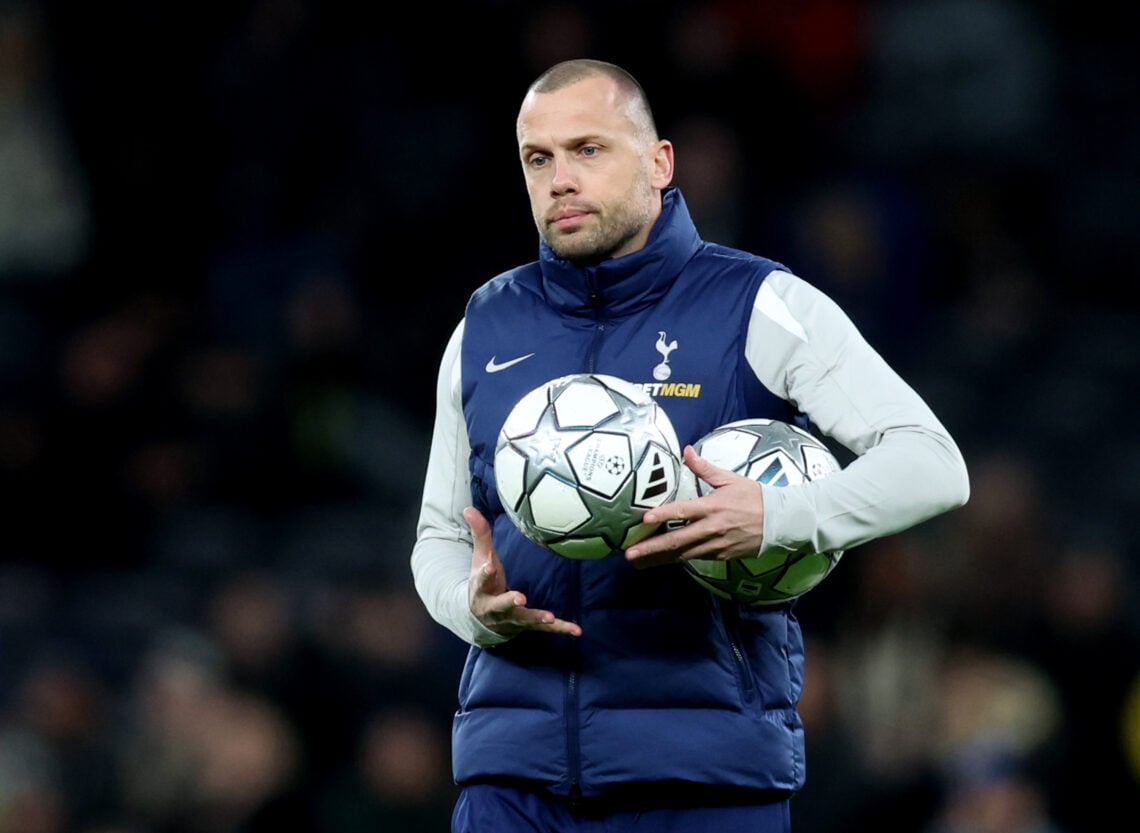
The arrival of a new manager at a football club often triggers a series of quiet exits and sudden arrivals, but the departure of John Heitinga from Tottenham Hotspur just one month into his tenure has raised more than a few eyebrows among the Spurs faithful.
While many assumed that the new man in charge, Igor Tudor, had cleared the decks to make room for his own inner circle, fresh details have emerged that suggest a very different story. It appears that Heitinga was not pushed out of the door at Hotspur Way; rather, the former Dutch international made the conscious and personal choice to walk away from North London following the sacking of Thomas Frank.
Heitinga’s time at Tottenham was remarkably brief. He was brought in only last month to fill the void left by Matt Wells, who departed the club to pursue a head coaching opportunity with the Colorado Rapids in Major League Soccer.
With a pedigree that included managing a European giant like Ajax, Heitinga was seen as a high-caliber addition to the coaching staff. When Thomas Frank was relieved of his duties following a disappointing run of form, there was even significant chatter among supporters and pundits that Heitinga might be the man to take the reins as interim head coach until the end of the season. His familiarity with the squad and his previous experience in the dugout made him a logical candidate on paper.
However, the Tottenham hierarchy opted for a different path, appointing the experienced and often uncompromising Igor Tudor. As is common with high-level managerial appointments, Tudor arrived with a trusted team of lieutenants.
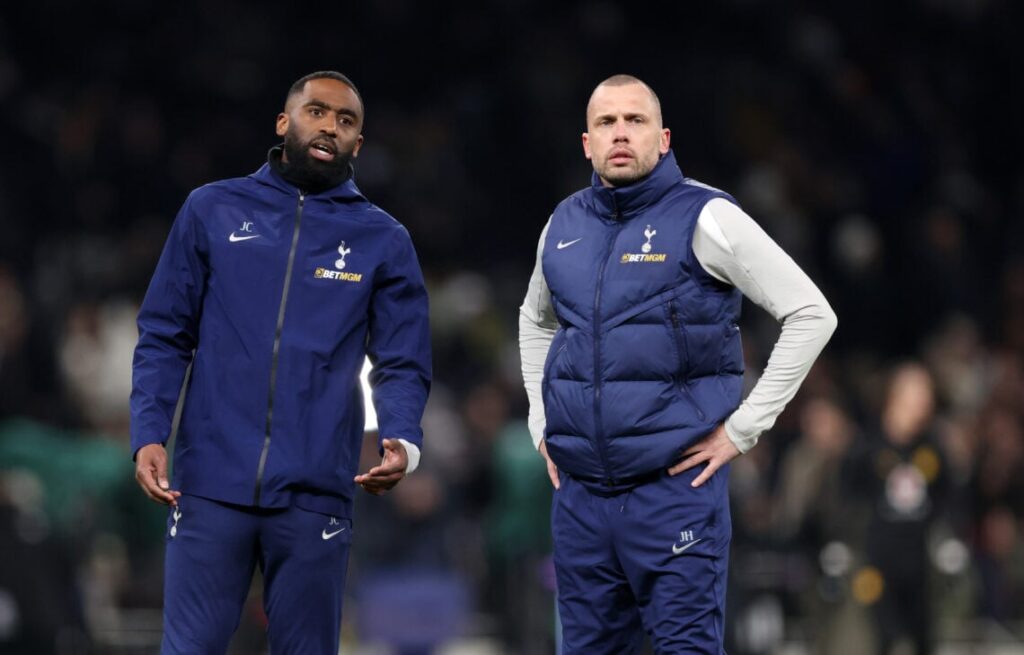
This influx of new faces naturally shifted the dynamic behind the scenes, and by Monday, it was confirmed that Heitinga had vacated his post. Initial speculation suggested that he had been made redundant by the new regime, but investigative reports now clarify that the 42-year-old Dutchman decided he did not wish to be a part of the revised coaching structure. It seems Heitinga, having been a key appointment under Frank, felt that his vision no longer aligned with the direction the club was taking under Tudor.
Tudor’s arrival has been a wholesale transformation of the backroom staff. He has brought in a trio of long-term collaborators who have followed him through various stages of his career, most notably during his time at Juventus. Ivan Javorcic has stepped in as the primary assistant coach, while Riccardo Raganacci has taken over as the physical coach to oversee the squad’s fitness and conditioning.
The goalkeeping department has also seen a change with the appointment of Tomislav Rogic. These three individuals are the “engine room” of Tudor’s tactical operation, and their presence ensures that the new manager can implement his demanding style of play with minimal friction.
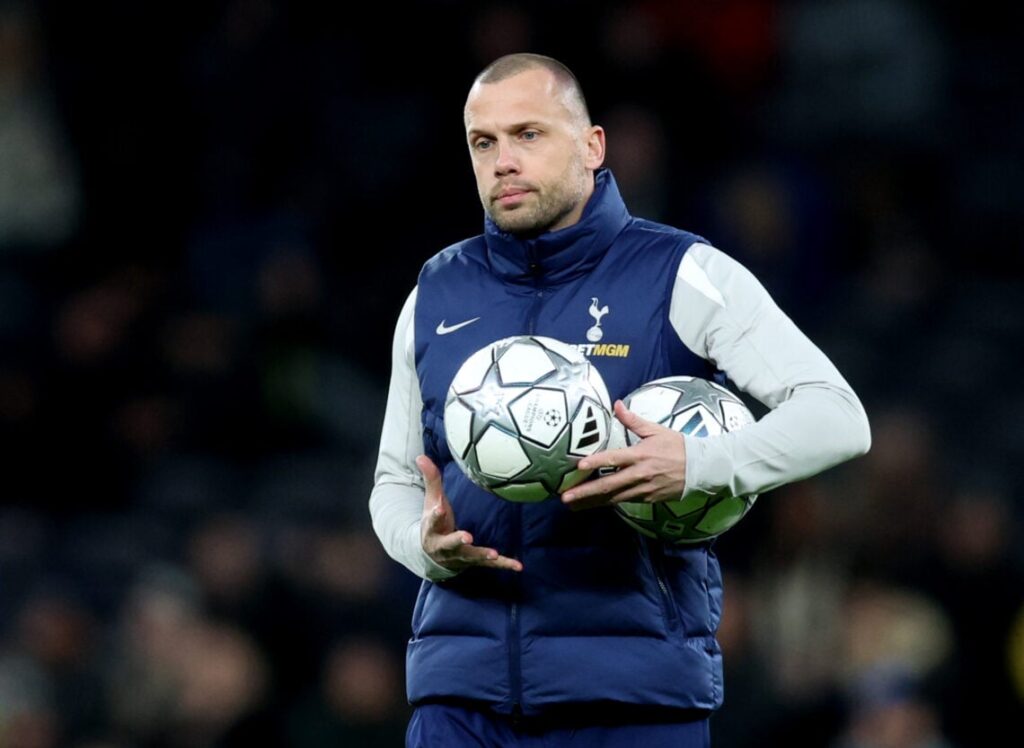
Despite this overhaul, it is not a complete clean sweep at the training ground. Interestingly, some members of the previous staff have survived the transition. Andreas Georgson, the specialist set-piece coach who joined during the Frank era, remains at the club to continue his work on dead-ball situations.
Similarly, Fabian Otte has retained his position as a goalkeeping coach, even with the arrival of Rogic. This suggests that while Tudor is keen on having his own people in key roles, he is also pragmatic enough to keep hold of specialized coaches who provide continuity and specific expertise.
| New Coaching Staff | Role | Previous Experience |
| Ivan Javorcic | Assistant Coach | Juventus, Lazio |
| Riccardo Raganacci | Physical Coach | Juventus, Marseille |
| Tomislav Rogic | Goalkeeping Coach | Juventus, Hajduk Split |
The departure of Heitinga leaves Tottenham without a coach who possessed recent head-management experience at a top European level, but it also clears the air for Tudor to establish his authority.
For Heitinga, the decision to leave rather than stay on in a diminished or different role speaks to a manager who is confident in his own career path. He likely views himself as a leading man rather than a supporting actor in a script he didn’t help write.
As the Lilywhites look to navigate a difficult period and climb away from the lower reaches of the Premier League table, the focus remains firmly on how Tudor’s new-look staff will settle.
The loss of Heitinga might be a blow to the club’s coaching depth, but a unified bench is often more effective than one populated by holdovers from a previous regime. For now, the “Heitinga experiment” goes down as one of the shortest chapters in the club’s modern history, leaving the stage entirely to Igor Tudor and his hand-picked team to save the season.
