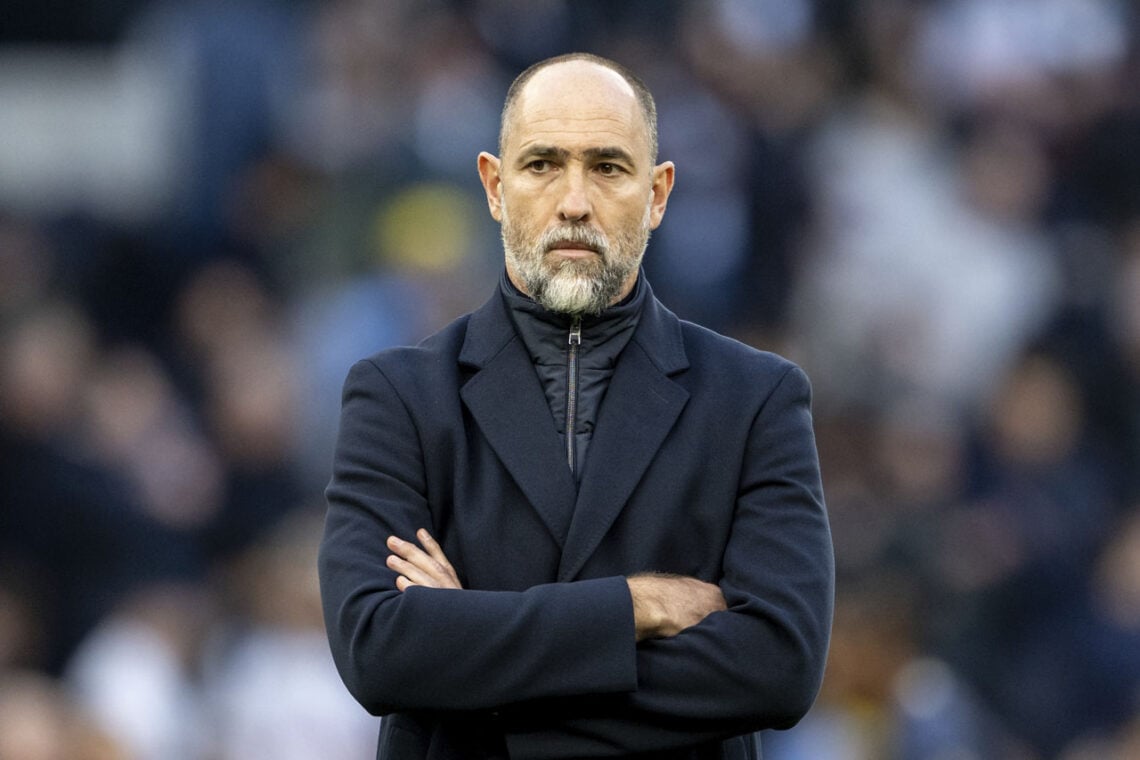
The situation at Tottenham Hotspur has reached a point of desperation that few could have imagined just a few months ago. As the club spiraled toward the bottom of the Premier League table, the arrival of Igor Tudor was supposed to be the turning point. I
nstead, his tenure has become a historical disaster. Following a humiliating performance against Atletico Madrid, which marked a fourth consecutive defeat under his leadership, the calls for his dismissal have reached a deafening level.
Fans and pundits alike are struggling to understand why the Croatian remains in the dugout, but the reality behind the scenes is far more troubling than many suspected.
It is widely reported that the atmosphere within the dressing room has turned toxic. The players have reportedly lost all faith in Tudor’s methods, with many senior figures expressing shock at his tactical decisions and his confrontational approach to man-management.
Usually, when a squad and a manager are this far apart, a change is made within hours. However, Miguel Delaney of The Independent has recently shed light on the shocking truth of why the board has not yet pulled the trigger. It is not a matter of the hierarchy having faith in Tudor’s ability to turn things around; rather, it is a matter of having absolutely no one else to turn to.
The search for a successor has hit a massive wall because a number of high-profile managers have already made it known that they are not interested in the job. This is a staggering development for a club of Tottenham’s stature. In the past, the Spurs vacancy would have been a coveted position for the world’s best coaches.
Now, potential candidates are viewing the role with a sense of dread. The primary reason for this reluctance is the immense stigma associated with a potential relegation.
No top-tier manager wants to be the face of the staff that takes one of the biggest clubs in England down to the Championship. The risk to their professional reputation is seen as far too high, and many believe the pressure of the current situation is simply not worth the reward.
Even managers known for their ability to survive relegation battles are hesitant. Sean Dyche has been heavily linked with the role due to his proven track record of keeping teams in the Premier League. However, reports suggest that Dyche is unwilling to accept a short-term “firefighter” contract that offers no long-term security.
Furthermore, there are complicated legal issues regarding his previous settlement with Nottingham Forest that could make an appointment difficult. Without a clear and immediate agreement with a proven survivor like Dyche, the Spurs board finds itself trapped in a corner.
This lack of options has forced the club to consider names that many fans thought they had moved past. There has been talk of contacting club legend Robbie Keane, who is currently managing in Hungary, or even turning to Ryan Mason for a third spell as an interim boss.
Mason recently left West Brom and knows the inner workings of the club perfectly, but there are concerns about whether another young, temporary fix is what the squad needs during a fight for survival.
The board is also reportedly very reluctant to go back to veteran figures like Glenn Hoddle or Harry Redknapp, fearing that it would signal a total lack of a modern plan. Yet, as the clock ticks down, their hands may be forced by the sheer absence of other willing participants.
The current plan seems to be a desperate hope that Tudor can find a miracle result. Some sources suggest he has been given until the upcoming match against Nottingham Forest to save his career in North London. If he fails to secure a win there, the board will be forced to make a change, regardless of whether a top-tier replacement is ready.
It is a terrifying position for a club with the resources and facilities of Tottenham. The fact that the job is being viewed as a “poisoned chalice” speaks volumes about how far the club has fallen in a very short period.
For the supporters, this news is a bitter pill to swallow. It reveals a level of institutional paralysis that is rarely seen at the highest level of the game. While the players struggle on the pitch and the manager looks increasingly out of his depth on the touchline, the people in the boardroom are finding that the prestige of the Tottenham brand is no longer enough to attract the right people.
If the club cannot find a way to convince a capable leader to take the risk, the slide toward the Championship may become inevitable. The “shocking reason” for Tudor’s continued presence isn’t loyalty—it’s a total lack of a safety net.
