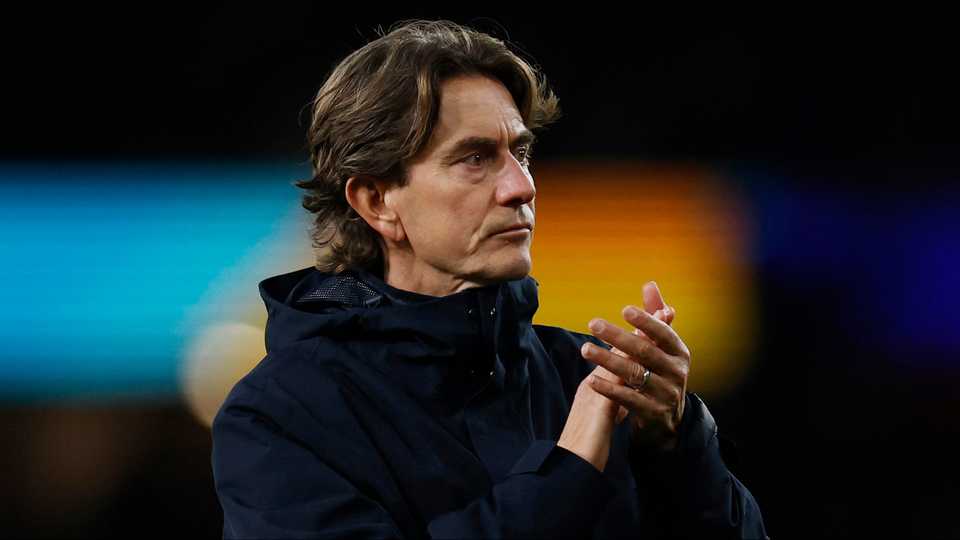
The professional divorce between Tottenham Hotspur and Thomas Frank has proven to be an incredibly expensive affair, even by the high-stakes standards of the Premier League. As the dust settles on a tenure that lasted a mere eight months, the financial reality of the separation has started to emerge.
Reports from Frank’s native Denmark suggest that the manager has walked away with a staggering £8 million settlement package. This payout represents a full year’s salary, a standard compensation clause triggered when the club decided to cut his three-year contract short following a disastrous run of form that left the team languishing in 16th place.
When you look at the total investment, the numbers are truly eye-watering for the Spurs hierarchy. To even get the Dane into the building last summer, Tottenham had to pay a £10 million compensation fee to his former club, Brentford.
Combine that with a monthly salary of roughly £650,000 over his eight months in charge, plus the final £8 million exit fee, and the club has effectively spent over £23 million on a project that yielded just two wins in its final 17 matches.
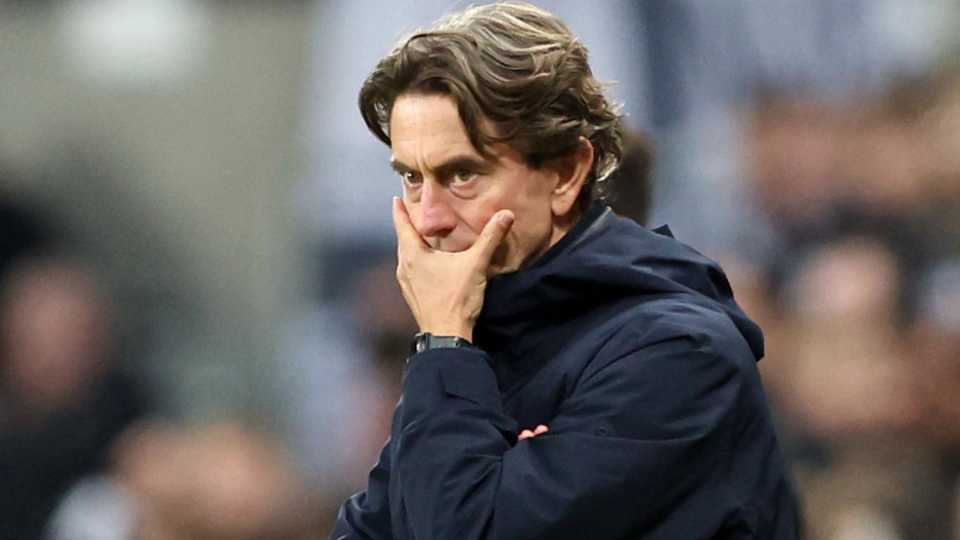
For a club that prides itself on financial prudence and stadium-led revenue, this is a bitter pill to swallow. Frank, for his part, reportedly has no intention of rushing back into the dugout, choosing instead to recharge his batteries until the end of the current season.
The final straw came on a cold Wednesday morning, less than twelve hours after a demoralizing 2-1 home defeat to Newcastle United. It was a match that perfectly encapsulated the Frank era: a sluggish start, a significant halftime deficit, and a desperate, ultimately futile attempt to claw back into the game.
With the club sitting just five points above the relegation zone, the “To Dare Is To Do” motto had been replaced by a genuine fear of the drop. The board felt they had no choice but to act before the situation became irreversible.
In the wake of this expensive departure, Tottenham has moved swiftly to appoint a short-term successor. Igor Tudor, the 47-year-old former Juventus manager, has been tasked with steering the ship until the end of the season. Tudor is a fascinating character in the European game, known for his intense personality and a tactical flexibility that has seen him move through 12 different jobs over the last 11 years.
His resume is a whirlwind tour of major European leagues, including stints at Marseille, Lazio, Udinese, and Galatasaray. While some might see his frequent moves as a sign of volatility, Spurs hope his “firefighter” experience is exactly what is needed to spark a “new manager bounce.”
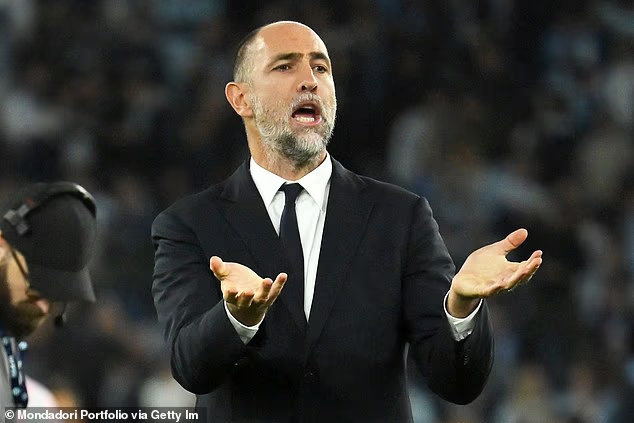
Tudor is scheduled to lead his first training session on Monday morning, and he inherits a squad that is statistically the worst in the league over the last six games. The Croatian faces a monumental uphill battle to restore confidence in a dressing room that has forgotten how to win consistently.
However, there is a significant carrot dangling in front of him: if he can successfully drag Tottenham away from the relegation dogfight and restore some pride to the North London faithful, he will be considered for the permanent role in the summer.
| Feature | Igor Tudor’s Managerial Profile |
| Age | 47 |
| Preferred Formation | 3-4-2-1 or 4-2-3-1 |
| Previous Roles | 12 jobs in 11 years |
| Known For | High-intensity pressing and defensive discipline |
Chief Executive Vinai Venkatesham and Sporting Director Johan Lange have led this search with a degree of desperation, but they are also keeping one eye on the future. By opting for an interim solution like Tudor, they have bought themselves time to conduct a much wider, more thorough search for a permanent head coach this summer. The goal is to avoid another “Thomas Frank situation” a costly mismatch that sets the club back both financially and competitively.
For the supporters, the focus is purely on the pitch. The financial details of Frank’s exit are frustrating, but the threat of a historic relegation is far more terrifying. They will be looking to Tudor to provide an immediate tactical shift, likely moving away from Frank’s more passive approach toward the aggressive, front-footed style that the Croatian favored during his time in Italy and France.
As the players arrive at the training ground on Monday, the era of “rebuilding” has officially been paused in favor of a “survival” mission. The cost of failure has already been high; the cost of not fixing the problem could be immeasurable.
