The arrival of a new manager at a football club is usually a time for fresh starts and boundless optimism, but Roberto De Zerbi is finding out very quickly that life at Tottenham Hotspur comes with its own set of unique frustrations. Before he has even had the chance to lead his team out for a single competitive match, the Italian tactician has been hit with a piece of news that will likely keep him up at night.
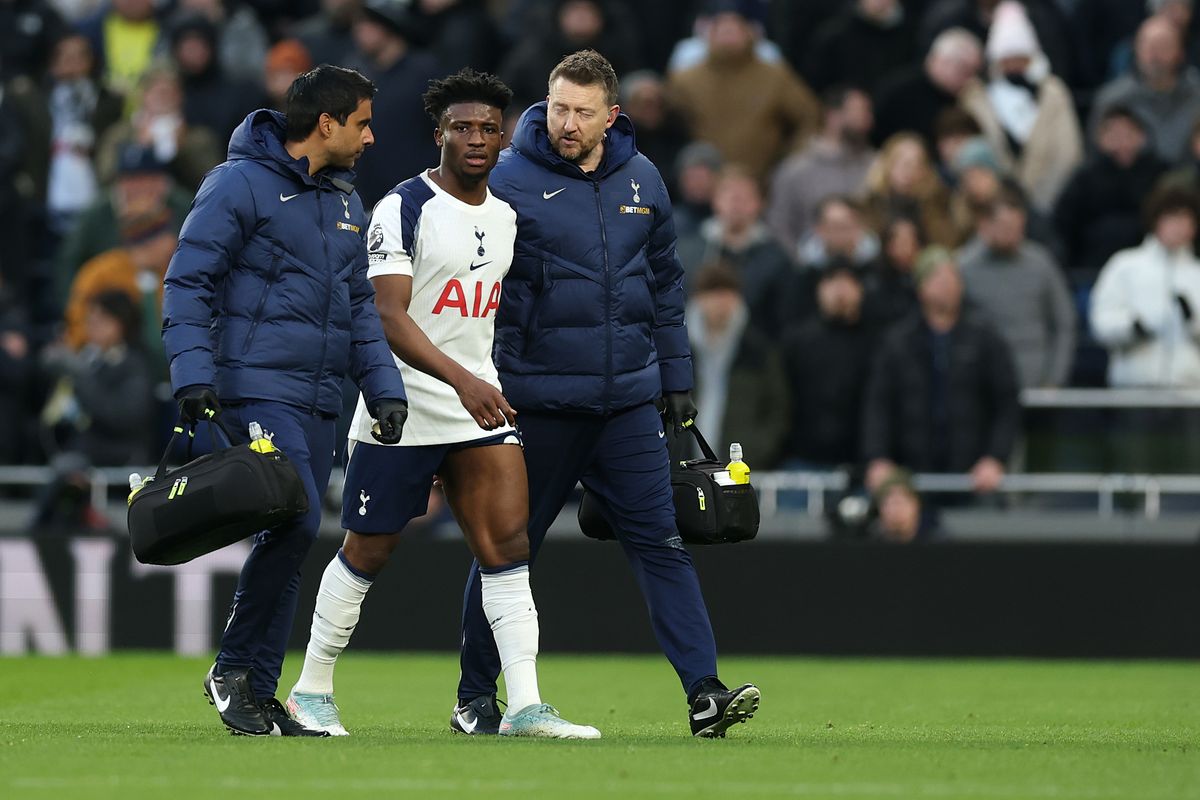
Mohammed Kudus, the club’s high-profile signing and arguably their most dangerous attacking player, has reportedly suffered a significant setback in his recovery from a long-term quad injury. This is a massive blow for a manager who was counting on the Ghanaian star to be the centerpiece of his new-look offensive system. To understand why this news is so damaging, you have to look back at the impact Kudus had before he was sidelined. Since making the cross-London move from West Ham in a deal worth approximately £55 million, the twenty-five-year-old had become an essential part of the Spurs lineup.
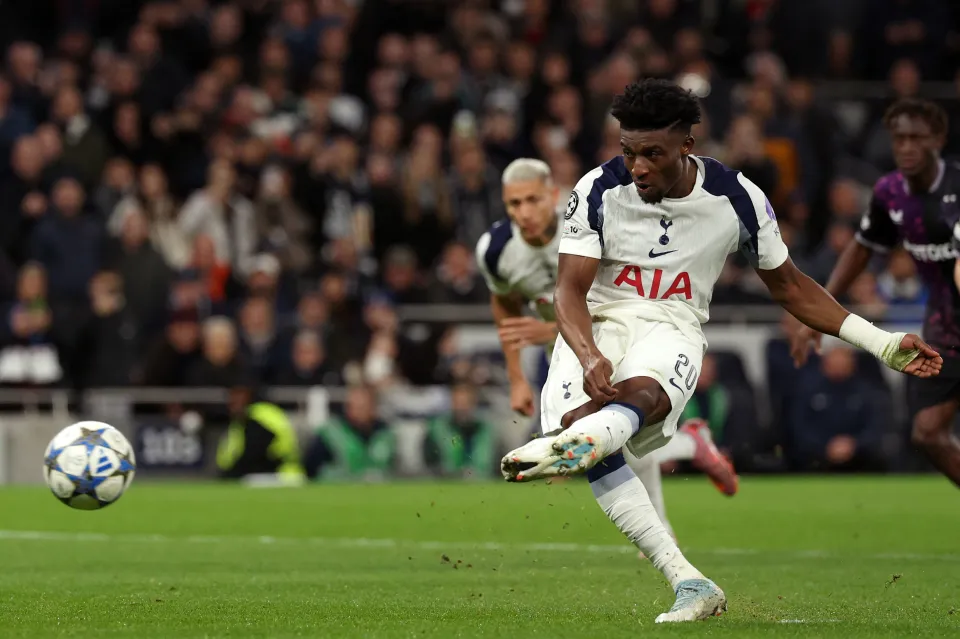
With nine goal involvements across twenty-four appearances in both the Premier League and the Champions League, he was the spark that often turned draws into wins. It is no secret that De Zerbi has been an admirer of Kudus for a long time; reports suggest the manager even tried to bring him to Brighton during his successful tenure there. The prospect of finally working with the “wing-wizard” was likely one of the factors that made the Tottenham job so appealing. The injury itself dates back to a cold January afternoon during a home draw against Sunderland. What was initially thought to be a standard muscle problem turned out to be a serious quad tendon injury.
However, as recently as a few weeks ago, there was real hope that the worst was over. The club’s former interim coach, Igor Tudor, had even gone on record to state that Kudus was progressing very well and was expected to rejoin the main training group after the international break. Fans were eagerly anticipating his return, picturing him tearing down the wing under De Zerbi’s guidance. Unfortunately, that optimism has evaporated. The fact that Kudus has been absent from recent training footage was the first sign that something was wrong.
Now, it appears the injury has flared up again, and the situation might be even more serious than first feared. There are growing whispers around the club that an operation might be necessary to fully fix the issue. If surgery is the only path forward, the consequences would be catastrophic. Not only would it mean Kudus is finished for the current Premier League season, but it would also put his participation in this summer’s World Cup in grave danger. For a player who was set to represent Ghana against the likes of England, Croatia, and Panama on the world stage, this is a heartbreaking personal development. This situation highlights a recurring nightmare for Tottenham that predates De Zerbi’s arrival.
The club has been plagued by a constant stream of injury crises over the last few years, a problem that consistently undermined the work of previous managers like Thomas Frank and Ange Postecoglou. It seems that no matter who is in the dugout, the medical room at Hotspur Way remains crowded. De Zerbi currently has nine senior players unavailable for selection, including the promising Pape Matar Sarr, who returned from international duty with a shoulder injury. Trying to implement a complex tactical style is difficult enough under normal circumstances, but doing it with half of your best players in the treatment room is nearly impossible.
The irony of the situation is not lost on anyone following the player’s career. During his time at West Ham, Kudus boasted a remarkably clean bill of health, rarely missing a single match through injury. Yet, since joining the North London side, he has faced a spell on the sidelines that could see him miss half of his debut campaign. It raises difficult questions about the club’s training methods or perhaps just a terrible run of bad luck that continues to haunt the institution.
The weight of expectation on Kudus’s shoulders is also immense. Former Chelsea and Ghana legend Michael Essien recently spoke about the attacker in glowing terms, labeling him as the nation’s biggest hope and a talent that the world is finally starting to recognize. Essien’s plea for the football world to “protect” and “support” Kudus resonates even more now that the player is facing such a difficult physical hurdle. For Ghana, he isn’t just a player; he is the face of their footballing future.
For Roberto De Zerbi, this is a trial by fire. He is a manager known for his meticulous preparation and his ability to improve individual performance, but he cannot coach a player who isn’t on the pitch. The loss of Kudus forces the Italian to look elsewhere for creativity and goals at a time when the team is desperately fighting to climb the table and distance themselves from the relegation zone. He will have to lean on the depth of his squad and hope that someone else can step up to fill the massive void left by the Ghanaian international.
While the extent of the setback is still being evaluated, one thing is certain: the “De Zerbi era” has started with a significant challenge that will test the manager’s tactical flexibility and the club’s medical expertise to the limit.