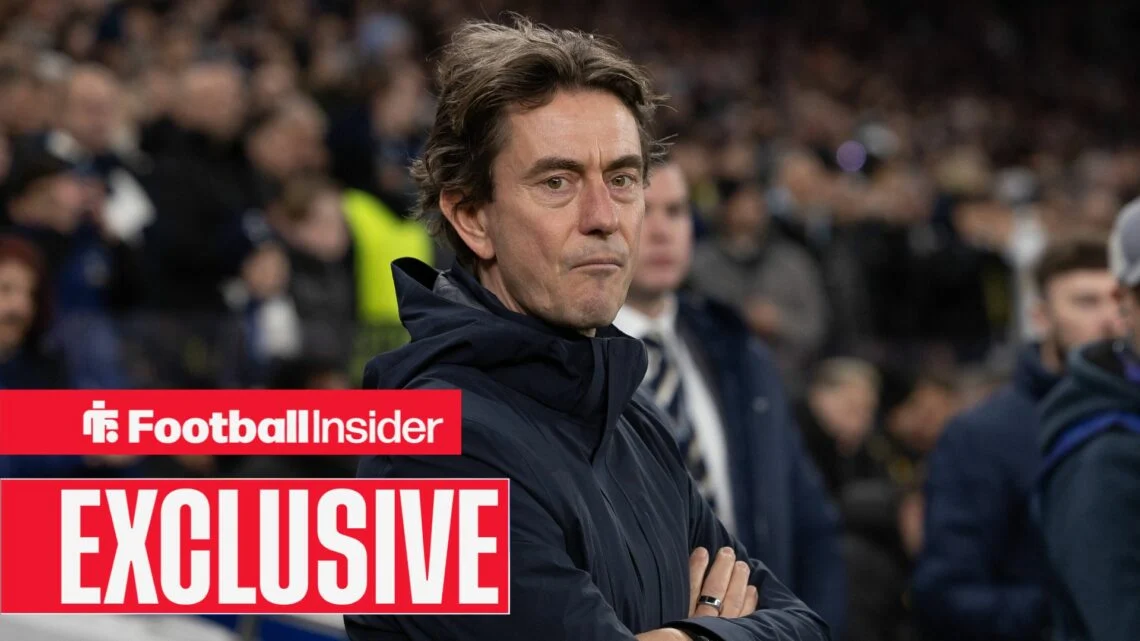
The revolving door of management at Tottenham Hotspur has once again swung shut on a promising coach, leaving the football world to dissect what exactly is going wrong behind the scenes in North London. The recent departure of Thomas Frank after only eight months in charge is more than just a story of poor results; it is a symptom of a much deeper institutional struggle.
While the headlines focus on the search for a new leader and the romantic, albeit unlikely, return of club legend Harry Kane, those who understand the inner workings of the game point to a vacuum of leadership at the very top of the organization.
Keith Wyness, a veteran executive with years of experience at the helm of clubs like Everton and Aston Villa, has been vocal about the systemic issues plaguing the club. In his view, the blame for the current crisis should not fall solely on the shoulders of the manager.
Thomas Frank, a coach highly respected for his tactical mind and previous success, found himself navigating a “winless run” of eight games that saw the club plummet to within just five points of the relegation zone. However, Wyness argues that any manager, no matter how talented, is doomed to fail without clear and decisive support from the boardroom. The reported “dressing room unrest” that ultimately cost Frank his job is often the result of players sensing a lack of authority or backing from the owners.
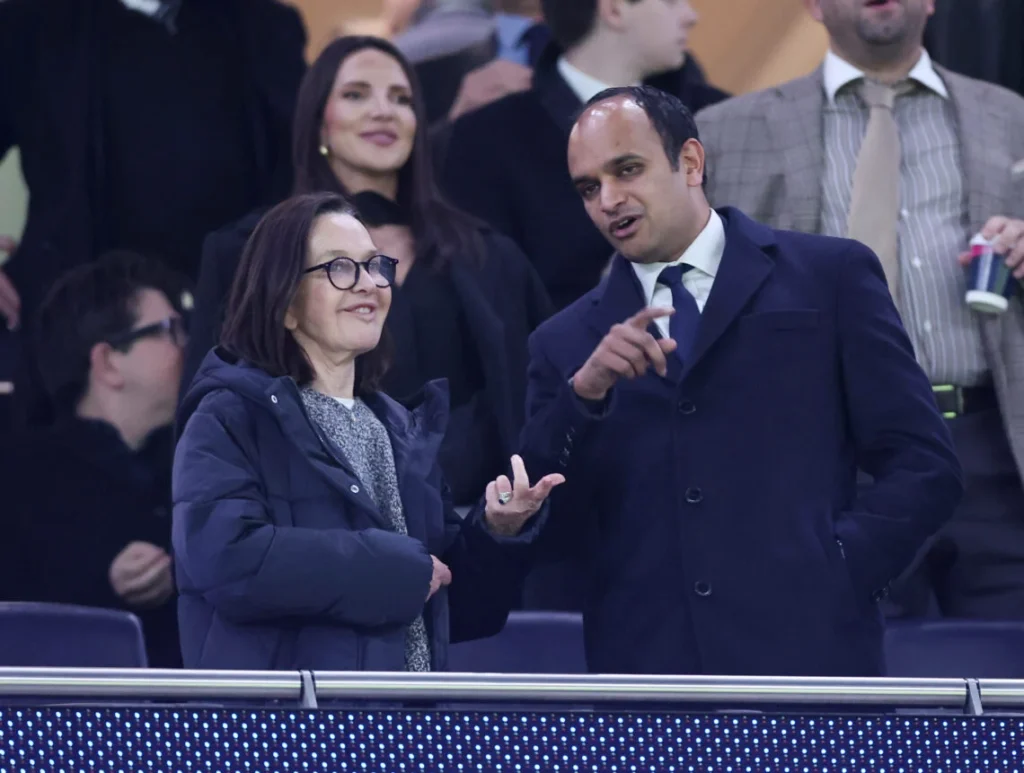
The leadership style of the Lewis family and the senior hierarchy has come under intense scrutiny. In a high-stakes environment like the Premier League, stability starts from the top. When the board fails to project a unified front, the cracks inevitably spread to the coaching staff and the squad.
Frank was essentially asked to perform a miracle without the necessary tools or time to implement a long-term vision. This pattern of hiring talented managers and then failing to provide them with a protective shield against external pressure has become a recurring theme at the Tottenham Hotspur Stadium.
In the vacuum left by Frank’s exit, the club has moved with surprising speed to appoint Igor Tudor on an interim basis. Tudor, a former Juventus standout with a reputation for a disciplined and sometimes abrasive coaching style, faces an immediate baptism of fire as his tenure begins against fierce rivals Arsenal.
This appointment is undeniably a gamble. With the club embroiled in a genuine battle to avoid the drop, bringing in a manager who has zero experience in English football is a high-risk strategy. If Tudor can steady the ship and steer the team away from the bottom three, he may find himself in the running for the permanent position.
However, he is not alone in that race. As the summer approaches, the names of Michael Carrick and Roberto De Zerbi are already being mentioned as potential candidates to lead a more comprehensive rebuild.
| Potential Managerial Candidates | Current Status | Key Attribute |
| Igor Tudor | Interim Manager | Tactical discipline |
| Michael Carrick | Potential Target | Premier League experience |
| Roberto De Zerbi | Potential Target | Modern attacking philosophy |
| Mauricio Pochettino | Fan Favorite | Emotional connection to club |
The most captivating narrative, however, remains the potential for a sentimental homecoming. The idea that Mauricio Pochettino could return to the club and “convince” Harry Kane to leave Bayern Munich for a sensational second act at Spurs is the ultimate dream for the fanbase. Kane has proven to be truly irreplaceable since his departure, but most industry insiders believe he is perfectly happy in Germany.
While the Pochettino-Kane connection is undeniably strong, it would require a massive shift in the club’s current trajectory to lure the England captain away from a winning environment back to a team fighting for its Premier League survival.
Ultimately, the future of Tottenham Hotspur depends on whether the leadership can learn from the “Thomas Frank era.” Whether the next permanent manager is a returning hero or a fresh face from the continent, they will need more than just a tactical plan; they will need a board that is willing to provide a “stronger hand” and genuine support.
Until the issues above the manager are resolved, the club risks remaining in a cycle of short-term fixes and long-term frustration. The upcoming North London Derby will provide the first real test of whether a change in the dugout is enough to mask the deeper problems at the club.
