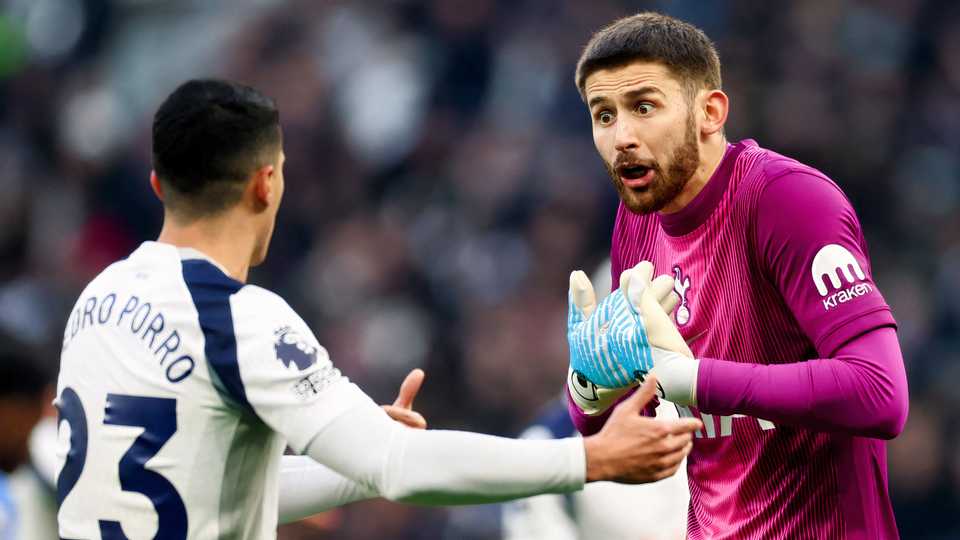
Tottenham Hotspur’s frustrating start to 2026 continued on Sunday evening as they failed to see off Sunderland at home, a result that summed up many of the issues that have haunted the club for months.
There were moments of promise, especially early on, but once again Spurs could not sustain their performance across the full 90 minutes. The mood around the stadium at full-time told its own story, with boos ringing out as supporters voiced their growing impatience with both the result and the direction of the team under Thomas Frank.
Coming into the match, there was real pressure on Tottenham to respond. The goalless draw at Brentford on New Year’s Day was widely seen as one of the dullest games of the season, and fans wanted energy, creativity, and purpose.
For the first half, they got some of that. Spurs pressed high, moved the ball with intent, and looked like a side desperate to make a statement. Ben Davies’ goal felt deserved and suggested this could finally be a positive night.
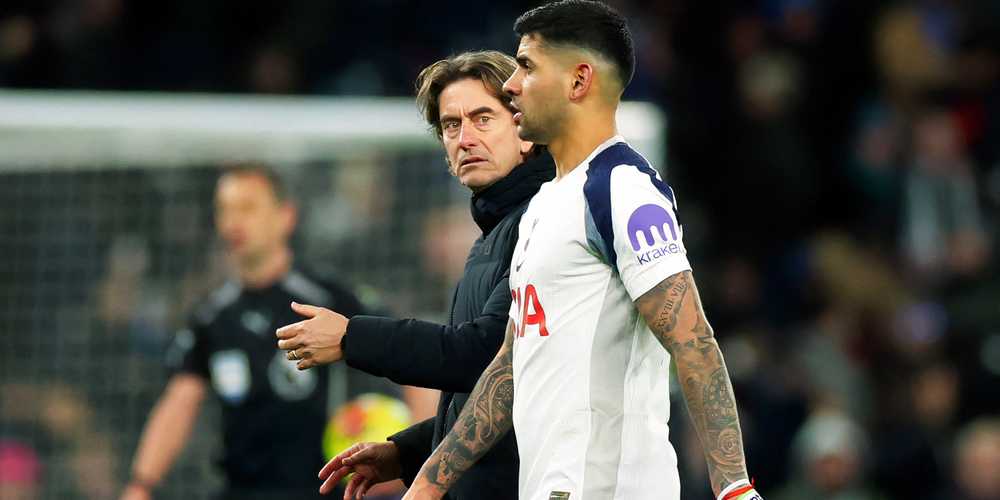
However, that intensity quickly faded after the break. Sunderland grew into the game, Tottenham became passive, and the creativity that had been promised simply disappeared.
The equaliser from Brian Brobbey late on was a hammer blow, but it also felt inevitable given how the second half unfolded. Spurs managed an expected goals figure of just 0.28 after the interval, a worrying sign for a team that prides itself on attacking football.
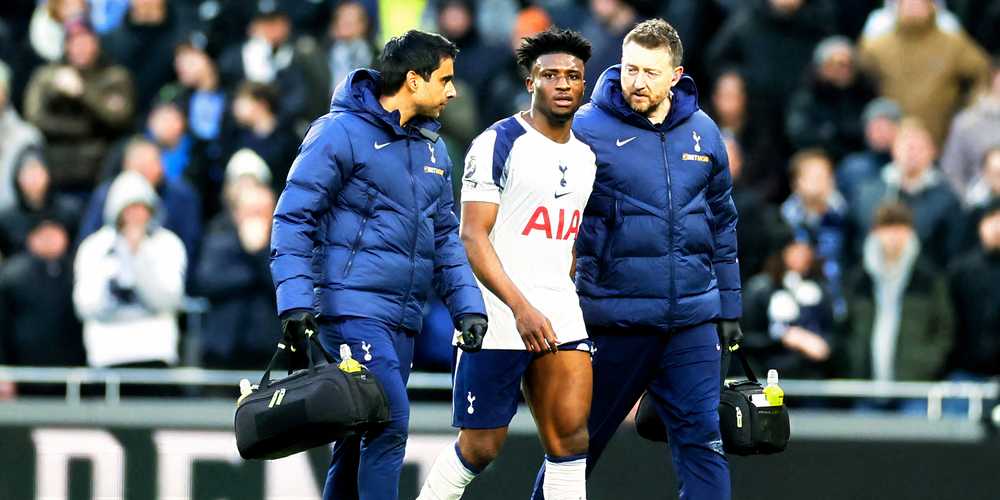
Injuries did not help. Mohammed Kudus, one of the few players in the squad who can inject pace and unpredictability, was forced off after just 15 minutes.
His absence was felt immediately, and it underlined how reliant Tottenham are on individual sparks rather than a clear attacking structure. Still, injuries alone cannot explain the lack of threat, and attention quickly turned to the performances of those who stayed on the pitch.
One player who came under heavy scrutiny was Richarlison. The Brazilian has been Tottenham’s main option through the middle this season, and while his goal return of eight in 29 appearances is not disastrous on paper, it does not tell the full story.
Too often, he drifts through games without making a decisive impact, and against Sunderland, his struggles were impossible to ignore.
Richarlison worked hard, but his effort rarely translated into quality. He looked isolated, lacked sharpness in key moments, and failed to link play effectively with those around him.
For a striker leading the line in a home game against a team near the bottom, the expectation is to either score, create, or at least trouble defenders consistently. Unfortunately for Spurs, Richarlison did none of those things.
The numbers paint a very clear picture of his afternoon, and they make uncomfortable reading for both the player and the coaching staff.
| Stat Category | Richarlison vs Sunderland |
|---|---|
| Minutes played | 90 |
| Goals | 0 |
| Expected Goals (xG) | 0.21 |
| Assists | 0 |
| Touches | 35 |
| Shots (on target) | 3 (1) |
| Accurate passes | 10/12 (83%) |
| Chances created | 0 |
| Crosses | 0/2 |
| Dribbles | 1/2 |
| Duels won | 6/17 |
Losing 11 duels in a match where physical presence was needed is a major concern. Even more damaging was the fact that Richarlison finished the game with fewer touches than goalkeeper Guglielmo Vicario, who had a relatively quiet evening and was rarely tested.

While a striker is not expected to be involved in every phase of play, that statistic highlights just how disconnected Richarlison was from Tottenham’s attacking moves.
This was not about a lack of effort. Richarlison ran, battled, and tried to impose himself, but his involvement was heavy and ineffective. When chances did fall his way, he failed to make them count, and he did not create openings for teammates either. In a side already struggling for creativity, that lack of influence is costly.
Thomas Frank now faces a difficult decision. Tottenham need goals, momentum, and belief, and persisting with an out-of-form striker risks dragging the whole attack down.
With Dominic Solanke struggling with injuries and limited alternatives available, Richarlison may continue to start, but performances like this only strengthen the argument that Spurs must look elsewhere.
Looking ahead, it is clear that signing a new striker has to be a priority. Whether that comes later in 2026 or sooner, Tottenham need a forward who can lead the line with authority, convert chances, and lift the players around him.
If Richarlison cannot provide that consistently, then difficult calls will have to be made. For now, this felt like another warning sign in a season already full of them.
