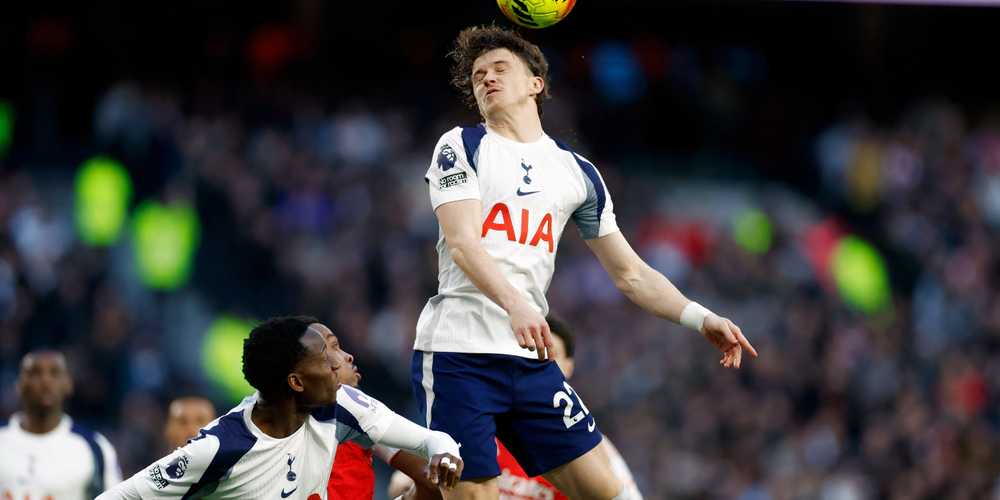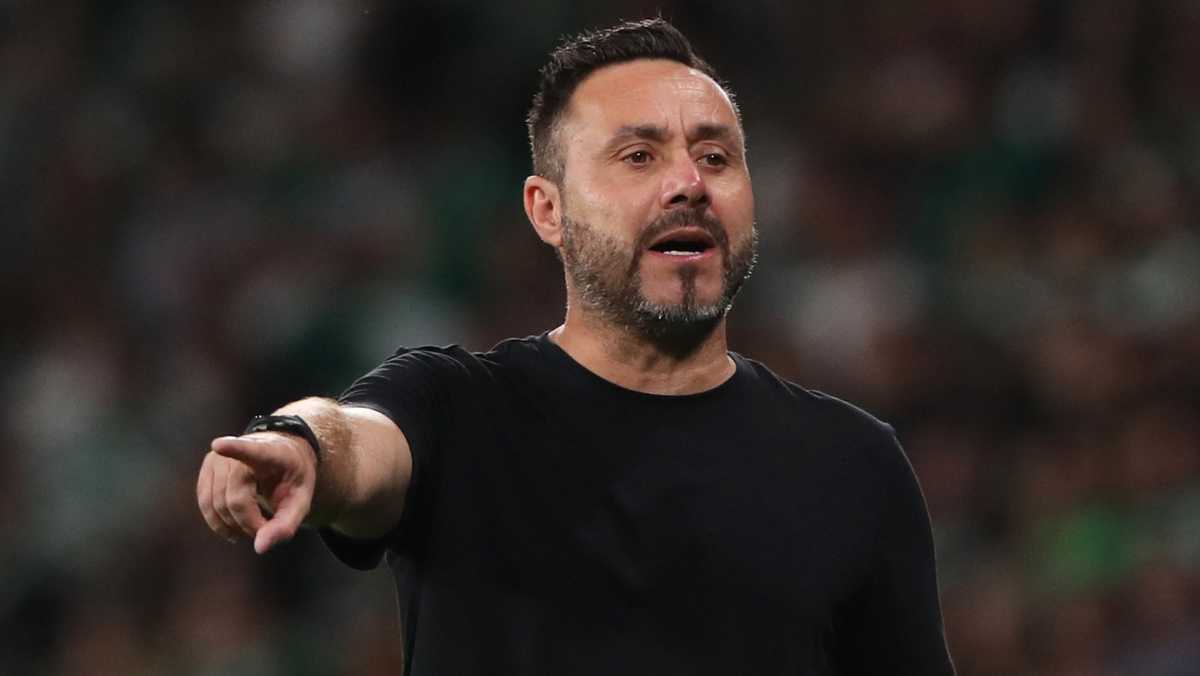
The arrival of Roberto De Zerbi at Tottenham Hotspur Stadium signals a massive shift in direction for a club that has spent much of 2026 looking over its shoulder at the relegation zone.
While the appointment of the Italian manager on a long-term contract has brought a wave of energy to the training ground, it also brings a series of difficult tactical questions. De Zerbi is a manager who demands a very specific type of player, particularly in the middle of the pitch. He needs technical specialists who can keep the ball under immense pressure and move it with lightning speed.
As he evaluates the squad he has inherited, one of his biggest challenges will be deciding what to do with Conor Gallagher, a player who arrived with high expectations but has struggled to find his rhythm in North London.The situation at Tottenham is currently quite tense. Although they have not slipped into the bottom three, they are sitting just a single point above a West Ham United side that appears to be finding its form at exactly the right time.
With seven matches left in the season, including tough trips to face Sunderland and Chelsea, Spurs are in a position where every selection decision carries massive weight. The board believes that De Zerbi is the right man to lead this rebuilding project, but to succeed, he will have to be ruthless with his team selection. This starts with identifying which players fit his “ball-heavy” philosophy and which ones might be holding the team back from reaching its full potential.
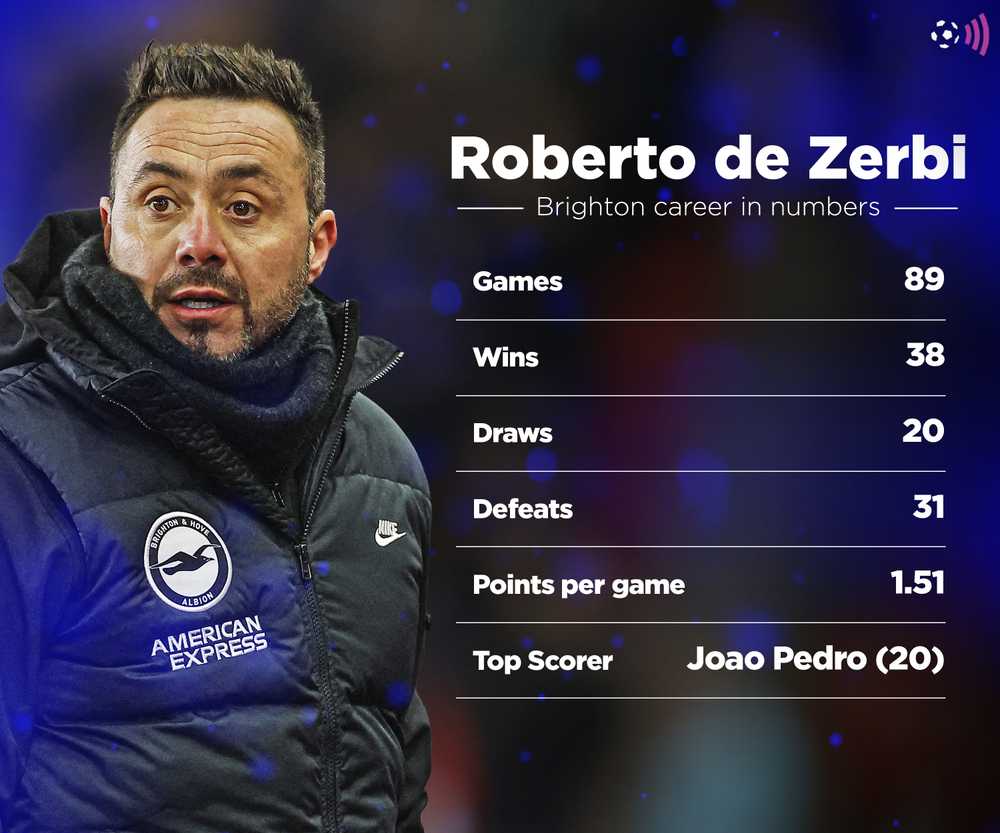
One of the biggest criticisms of the Tottenham squad this season has been a total lack of creativity in the midfield. Under previous leadership, the team tried to be more pragmatic and defensive, but it resulted in a style of play that was often boring and ineffective. Currently, Spurs are among the least creative teams in the league.
Part of this is due to a horrific injury list; stars like James Maddison and Dejan Kulusevski have barely been able to kick a ball this term. However, the players who have been available haven’t stepped up. Analysts have pointed out that the current midfield group fits De Zerbi’s tactical needs about as well as orange juice and toothpaste. They are often too slow on the ball and struggle to find the incisive passes needed to break down a modern defense.
This brings us to Conor Gallagher. When the 26-year-old midfielder joined Tottenham from Atletico Madrid in January for a fee of £35 million, there was a lot of excitement among the fans. Gallagher had been a long-term target for the club, and many saw him as the perfect engine for the midfield. In the past, he was even compared to a young Dele Alli from the Mauricio Pochettino era.
Like a prime Dele, Gallagher is known for his incredible stamina, his ability to surge into the box, and his knack for being a general nuisance to opposition defenders. On paper, he seemed like the “maverick” presence that the team was missing. However, the reality on the pitch has been quite different. After a brief period of high-energy performances right after his arrival, Gallagher’s impact has started to fade.
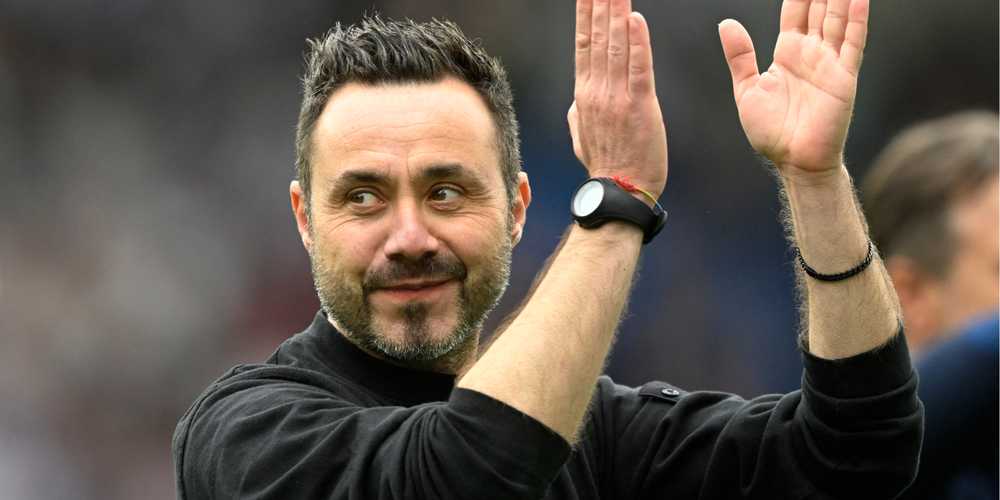
While he is certainly a hard worker and an intense competitor, he has often looked like a round peg in a square hole at Totten. In a De Zerbi system, “intensity” isn’t just about running hard; it’s about what you do with the ball when the spaces are tight. Gallagher has often struggled with his composure in possession, and his decision-making hasn’t been sharp enough to unlock Premier League defenses.
Rather than looking like a goal-scoring threat, he has looked like a player who is unsure of his role in an evolving tactical setup. If De Zerbi wants to implement his trademark style—which focuses on retaining the ball and attracting the opponent’s pressure before playing through it—he needs players who are technically flawless. At the moment, Gallagher hasn’t shown that he can be that player.
While he has many admirable qualities, his profile as a “destroyer” or an “all-action” midfielder might actually clash with the patient, possession-based approach the new manager wants to instill. There is a growing feeling that for the good of the team’s balance, De Zerbi might need to bench the high-priced January signing in favor of players who are more naturally suited to a passing game.

As the summer transfer window approaches, there are already whispers that Gallagher could be among the names considered for a move away if he cannot adapt quickly to the new regime. It would be a disappointing end to a transfer that many hoped would define a new era for the club, but football at this level is often unforgiving. Tottenham cannot afford to carry players who do not fit the manager’s vision, especially when the threat of relegation is still mathematically possible.
The upcoming fixtures against Sunderland and Brighton will be the first true test of how De Zerbi views his midfield. Ultimately, the goal for Tottenham is to find a way back to the exciting, attacking identity they once had. To do that, they need midfielders who can act as the heartbeat of the team. Whether it is through a sudden improvement in Gallagher’s technical game or by looking toward younger talents like Lucas Bergvall and Archie Gray, the manager must act decisively.
The “De Zerbi revolution” requires total commitment to a specific way of playing, and if a £35 million star doesn’t fit that vision, the manager must be brave enough to leave him on the sidelines. The stakes are too high for anything less than total tactical clarity as the club fights to secure its Premier League future and build for a better 2027.