
The current state of Tottenham Hotspur is no longer just a period of poor form; it has officially entered the realm of historical catastrophe. Following a bruising 5-2 defeat at the hands of Atletico Madrid on Tuesday night, the North London club has suffered six consecutive losses for the first time in its long and storied history.
What was intended to be a season of transition has turned into a total collapse, and the man currently standing in the eye of the storm is interim manager Igor Tudor.
Brought in just last month to act as a tactical “firefighter,” Tudor’s mission was simple: stabilize a leaking defense, drag the team away from the Premier League relegation zone, and somehow navigate the knockout stages of the Champions League. Instead, his brief tenure has been an unmitigated disaster that has left the club devoid of confidence and identity.
The match in Madrid was a microcosm of everything that has gone wrong. Within a staggering twenty-two minutes, Spurs found themselves 4-0 down, victimized by a ruthless Diego Simeone side that smelled blood from the opening whistle. It was the second time in less than a week that the team had mentally and physically crumbled in the opening stages of a game.

While the second half provided a minor statistical improvement, it was the definition of “too little, too late.” The damage had been done, not just on the scoreboard, but to the professional reputations of several individuals who may now find it impossible to recover their standing at the club.
The most immediate and heartbreaking victim of the night was young goalkeeper Antonin Kinsky. In a bold and ultimately reckless selection call, Tudor chose to bench regular number one Guglielmo Vicario in favor of the 22-year-old Czech. This was only Kinsky’s third appearance of the entire season and his first taste of competitive action since October.
While Vicario’s recent performances had been underwhelming, thrusting an inexperienced youngster into the cauldron of the Metropolitano was a gamble that backfired with devastating speed. Kinsky was directly at fault for two of the three goals conceded in the first fifteen minutes, looking visibly shell-shocked by the intensity of the occasion.
In a move that was as cruel as it was perhaps necessary, Tudor substituted Kinsky just moments after the third goal hit the back of the net. Watching a young player make that long walk to the bench under the gaze of thousands is a difficult sight for any football fan.
While one can feel immense sympathy for the position Kinsky was put in, his performance was undeniably a disaster. The embarrassment he suffered on the global stage is the kind of trauma that can define a career, and it remains to be seen if he has a future at a club currently fighting for its top-flight life.
However, while the goalkeeper will take the brunt of the media’s immediate fire, he was far from the only “flop” on the pitch.
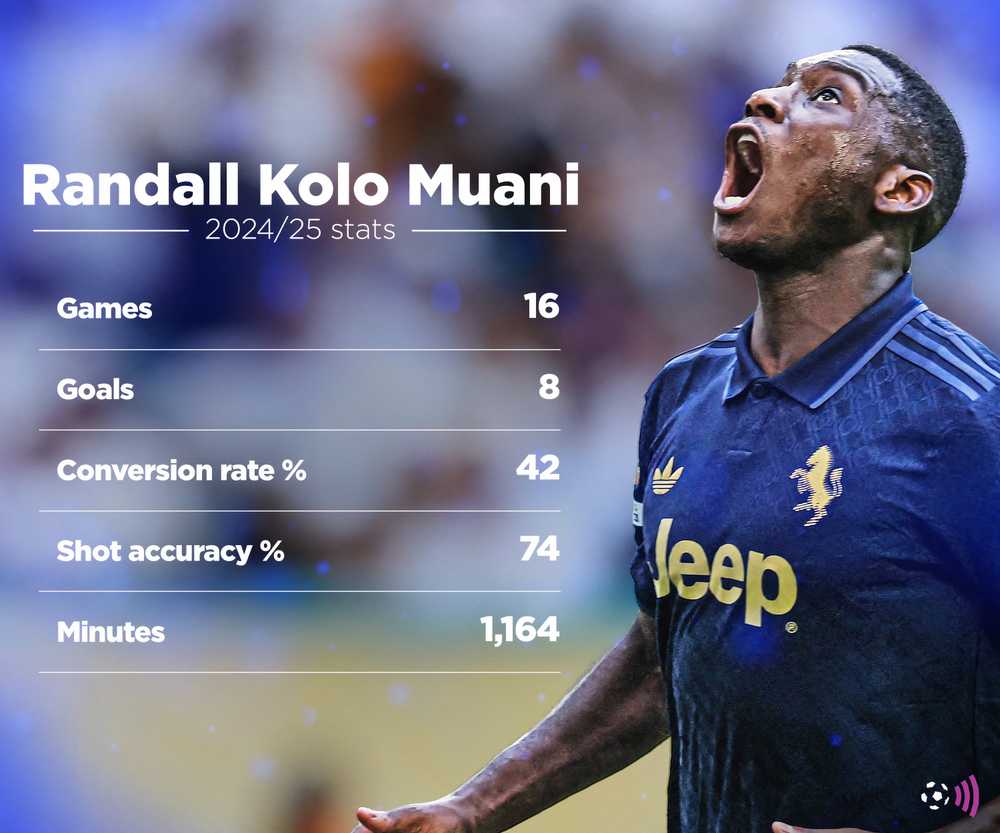
If Kinsky’s failure was one of youth and nerves, Randal Kolo Muani’s failure was one of character and commitment. When Tottenham secured the French international on loan from Paris Saint-Germain, the move was heralded as a major coup. At 27 years old, Kolo Muani is supposed to be in the absolute prime of his career.
He arrived with a massive reputation and an even larger wage packet, yet his impact on the pitch has been nothing short of a disgrace. A striker of his pedigree managed just a single goal in twenty-three domestic appearances this term. While he found some joy in the Champions League earlier in the campaign, those flashes of quality have completely evaporated under the pressure of a relegation scrap.
There was a lingering hope that the arrival of Igor Tudor would revitalize Kolo Muani, given that the two had worked together successfully at Juventus. Instead, the striker has drifted even further to the periphery of matches.
On Tuesday night, he offered essentially nothing before being hooked at half-time a decision that was met with little resistance from the traveling support. One publication even handed him a 1/10 rating, a fitting summary of a performance that lacked energy, desire, and basic technical competence. In a team that is currently desperate for “soldiers” willing to run their hearts out to avoid the Championship, Kolo Muani looks like a passenger who has already mentally checked out.
The reality for Tottenham is now very simple: they cannot afford to carry players who are not fully committed to the cause. Every remaining fixture is a battle for the club’s future, and the “never-say-die” attitude required for such a task is nowhere to be found in the Frenchman’s current game.
The consensus among the fans is clear: Randal Kolo Muani should never wear the Spurs shirt again. With nine games left to save the season, the focus must shift to players who actually care about the badge, rather than high-priced loanees waiting for their return to Paris. If Tudor continues to rely on those who have already failed him, the historic relegation that everyone fears will become a certainty.
