The prospect of relegation is a nightmare that most top-tier football clubs assume they are immune to, yet for Tottenham Hotspur, that nightmare is inching closer to reality. As the 2025-26 season grinds toward its conclusion, the North London giants find themselves in a state of unprecedented peril.
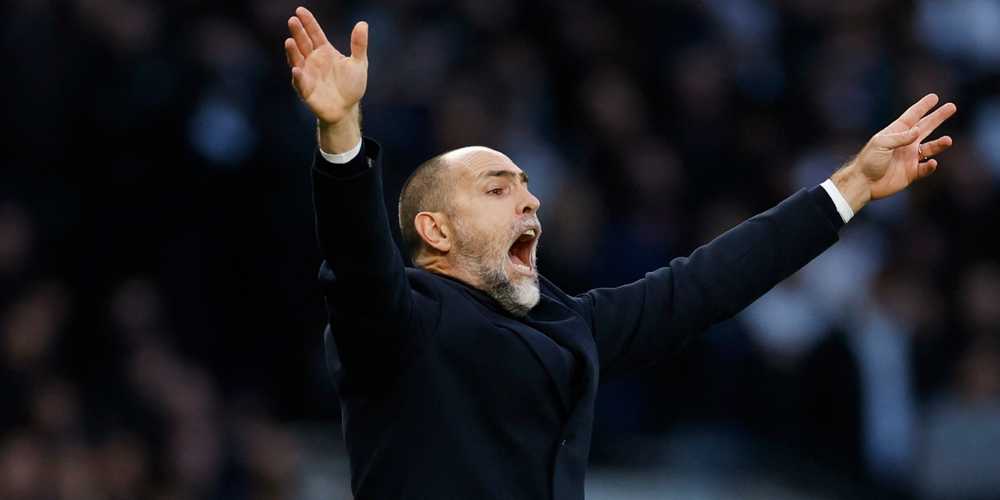
Currently languishing in 16th place, the club sits a mere four points above the relegation zone. The arrival of Igor Tudor, who was brought in to steady the ship after the dismissal of Thomas Frank, has yet to yield the “new manager bounce” the board so desperately craved.
With two losses in his first two games including a stinging defeat to arch-rivals Arsenal Tudor is finding that the “sinking ship” is much heavier than anticipated.
However, the pain of a potential drop to the Championship is not just a matter of sporting pride; it is a financial catastrophe waiting to happen. A recent bombshell report from David Ornstein has revealed the existence of “relegation clauses” that would see the squad’s salaries slashed by as much as 50% in the event of the unthinkable.
These clauses, reportedly implemented by former executive chairman Daniel Levy before his departure, were designed as a financial fail-safe. Levy, ever the pragmatist, understood that the astronomical wage bill of a modern Premier League side is simply unsustainable without the massive television and commercial revenues that come with top-flight status.
For the players, this represents a personal financial crisis. Tottenham currently boasts a host of high-earning stars whose weekly take-home pay rivals the best in Europe. Midfielder Conor Gallagher is reportedly the club’s top earner, pulling in a staggering £200,000 per week.
Not far behind are the likes of Xavi Simons and Cristian Romero, both of whom are believed to be on contracts worth approximately £195,000 per week. If the club is relegated, these players would see their earnings halved almost overnight.
While a 50% cut of such massive sums still leaves a person very wealthy, the professional and financial blow would likely trigger a mass exodus of elite talent. It is difficult to imagine a world-class defender like Romero or a creative spark like Simons playing in the second tier for half of their current market value.
The financial implications of dropping out of the Premier League in 2026 are more severe than ever before. If Tottenham were to fall, the revenue drop would be astronomical.
Experts suggest that the club could see its income plunge by as much as £250 million to £260 million in the first year alone. This represents a staggering 70% reduction in total revenue. While “parachute payments” designed to help relegated clubs adjust to their new reality would provide roughly £45 million, this is a mere drop in the bucket compared to the riches of the Premier League.
Furthermore, the club would lose out on the roughly £70 million generated by European competition, a revenue stream that has become a cornerstone of the Tottenham business model.

| Financial Metric | Premier League Level | Championship (Year 1) | Estimated Loss |
| Broadcast Revenue | £150m – £170m | £45m (Parachute) | ~£115m |
| Matchday Income | £110m+ | ~£60m – £70m | ~£45m |
| Commercial/Sponsorship | £220m+ | ~£130m | ~£90m |
| European Income | £70m+ | £0 | £70m |
| Total Revenue | £550m+ | ~£240m | ~£310m |
Beyond the immediate loss of broadcast and European money, the club’s commercial and sponsorship deals would likely take a massive hit. Many high-value sponsorships include “relegation triggers” that allow brands to renegotiate or even terminate contracts if the club is no longer appearing on the global stage of the Premier League.
The state-of-the-art Tottenham Hotspur Stadium, which was built to host the biggest games in world football, would suddenly be hosting matches against much smaller opponents, leading to a significant drop in hospitality and matchday spending.
This financial reality makes avoiding the drop an absolute imperative. A single season in the Championship could lead to a multi-year struggle to return to the top, as the loss of revenue compounds and the best players are sold off to balance the books.
The “wage strain” alone would force a total overhaul of the squad this summer. If Igor Tudor cannot find a way to get a tune out of his “soldiers” and secure the points needed for safety, the club will be forced into a firesale that could set the institution back by a decade.
Ultimately, the 50% wage cut clauses are a double-edged sword. On one hand, they protect the club from total bankruptcy. On the other, they guarantee that the very players responsible for the slide will be the first to look for the exit.
For the fans, the next ten games are not just about points; they are about the survival of the club as they know it. Every pass, every tackle, and every goal now carries the weight of hundreds of millions of pounds and the future of the North London giants.
