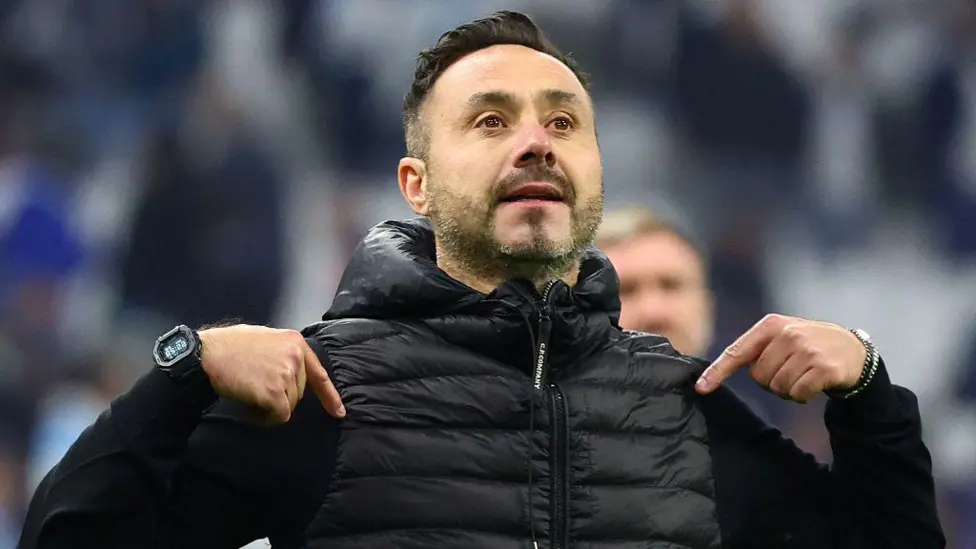
The arrival of Roberto De Zerbi at Tottenham marks a chaotic turning point for a club that seems to be spiraling out of control.
It is almost hard to fathom how a team with such world-class resources has managed to burn through three different managers in a single season, landing themselves in a genuine fight for survival. When you look at the landscape of the Premier League, Spurs should be a powerhouse. They possess a stadium that is the envy of Europe and a training ground that looks more like a high-end wellness retreat than a sports facility. However, as the legendary Bill Shankly once pointed out, a glittering stadium means nothing if the team playing inside it is hollow.
Football is, and always will be, about the people on the pitch and the spirit they show. Supporters do not go to a game to admire the architecture or the quality of the hospitality suites; they go to see a team that fights for the shirt and plays with a clear purpose. Somewhere along the line, it feels as though the decision-makers at Tottenham became so enamored with their off-field growth that they forgot the core product: the football. While the infrastructure grew, the soul of the team seemed to wither.
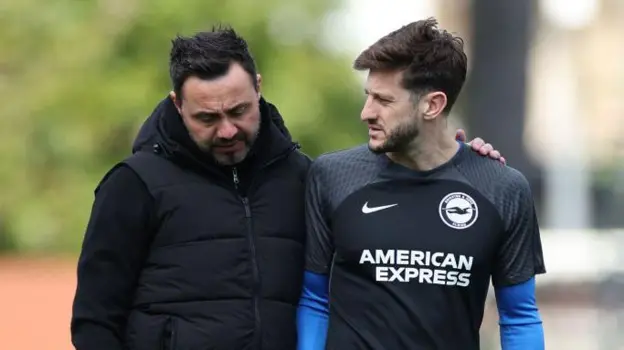
One of the most glaring issues facing De Zerbi is the fractured leadership structure he has inherited. The departure of Daniel Levy, who had been the face of the club for a quarter of a century, created a vacuum that has yet to be properly filled. In football, stability starts at the top. If the executive level is constantly shifting, that instability trickles down into the dressing room. Coaches find it impossible to build a long-term identity when the people they report to are constantly changing. This revolving door of management has stripped the players of a consistent philosophy, leaving them looking lost and uncoordinated.
De Zerbi is a man of immense principle and a very specific tactical vision. His success at Brighton was built on a foundation of “my way or the highway.” He demands a specific brand of brave, forward-thinking football that requires every player to be fully committed to the system. If a player hesitates or lacks the character to execute his demands, they are quickly discarded. This is exactly what Tottenham needs, but it is also a massive gamble given the current state of the squad. The players are low on confidence and sitting just a point above the relegation zone. In a crisis, you need leaders and “scrappers,” yet this Spurs squad has often looked soft when the pressure mounts.
The financial side of the club also presents a unique challenge. While Tottenham is grouped with the “Big Six,” their wage structure is famously more restrictive than their rivals. This means their recruitment has to be perfect. They cannot afford to waste money on “round pegs in square holes.” In recent years, the recruitment has felt disjointed, likely because managers were being given players they didn’t actually want. I cannot imagine a manager like De Zerbi agreeing to a long-term contract without being promised a seat at the table when it comes to transfers. He needs players who fit his specific “identity model,” not just talented individuals who don’t mesh as a unit.
Looking at the broader picture of English football, the way managers are hired today has become incredibly corporate and detached. In the past, a manager was hired based on their grit and their track record with limited budgets. Today, candidates turn up with professional presentations and dossiers prepared by consultants. This shift has favored certain networks, often leaving behind coaches who don’t have the right connections or agents. This “corporate” approach often misses the most important ingredient: the human element. You can have the best data in the world, but if the manager doesn’t understand the culture of the club or the personality of the players, it will fail.
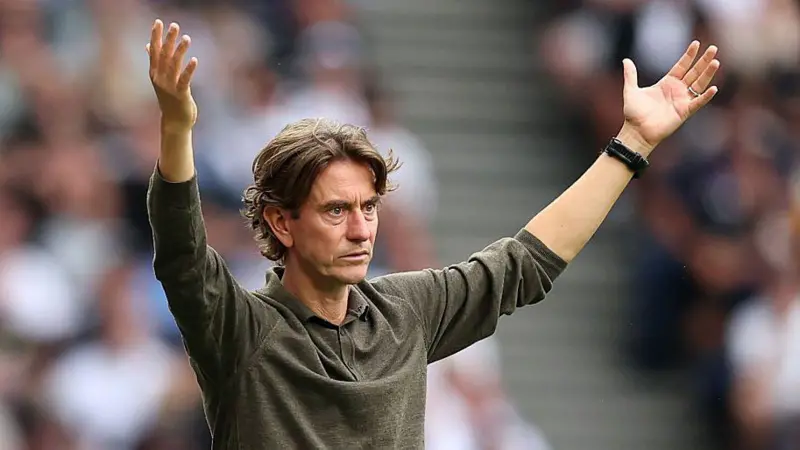
The success of clubs like Brentford, Brighton, and Bournemouth proves that you don’t need the biggest budget to succeed; you need alignment. At those clubs, everyone from the owner to the kit man is pulling in the same direction. When Thomas Frank was at Brentford, he had the luxury of a unified vision. When he moved to Spurs, that “glue” disappeared, and he lasted less than a year. It is a sobering reminder that a coach is only as good as the support system around them.
For De Zerbi, the immediate task is simple but incredibly difficult: find seven or eight players with the stomach for a fight. He has seven games to save the club from a disaster that would have been unthinkable a few years ago. He needs to ignore the fancy stadium and the corporate noise and focus entirely on the grass. He has to convince a group of underperforming players that they are fighting for their careers. If he can’t get everyone pulling together as one, the unthinkable will become a reality.
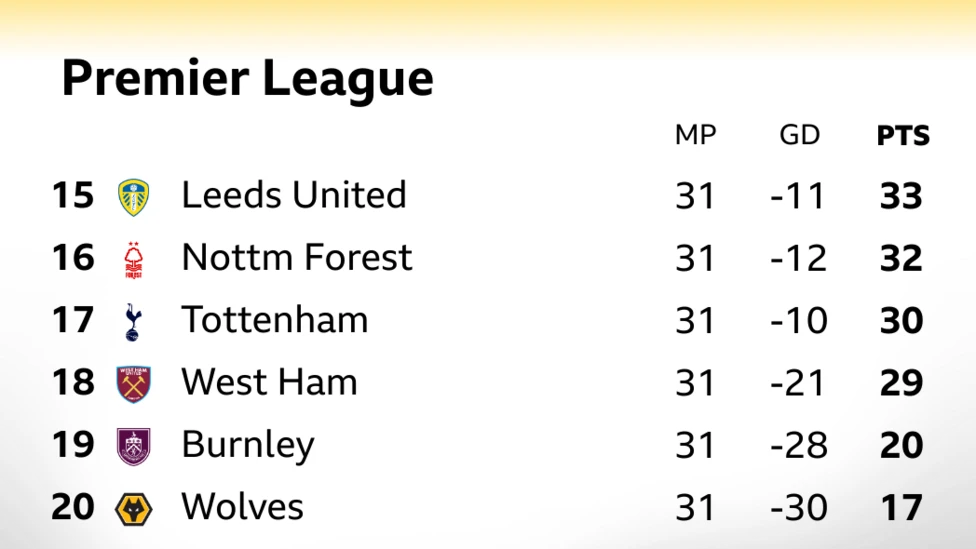
At the end of the day, football isn’t rocket science; it’s about having the right people in the right places, all working for the same goal. If Spurs can’t find that unity, they are heading for the drop.
