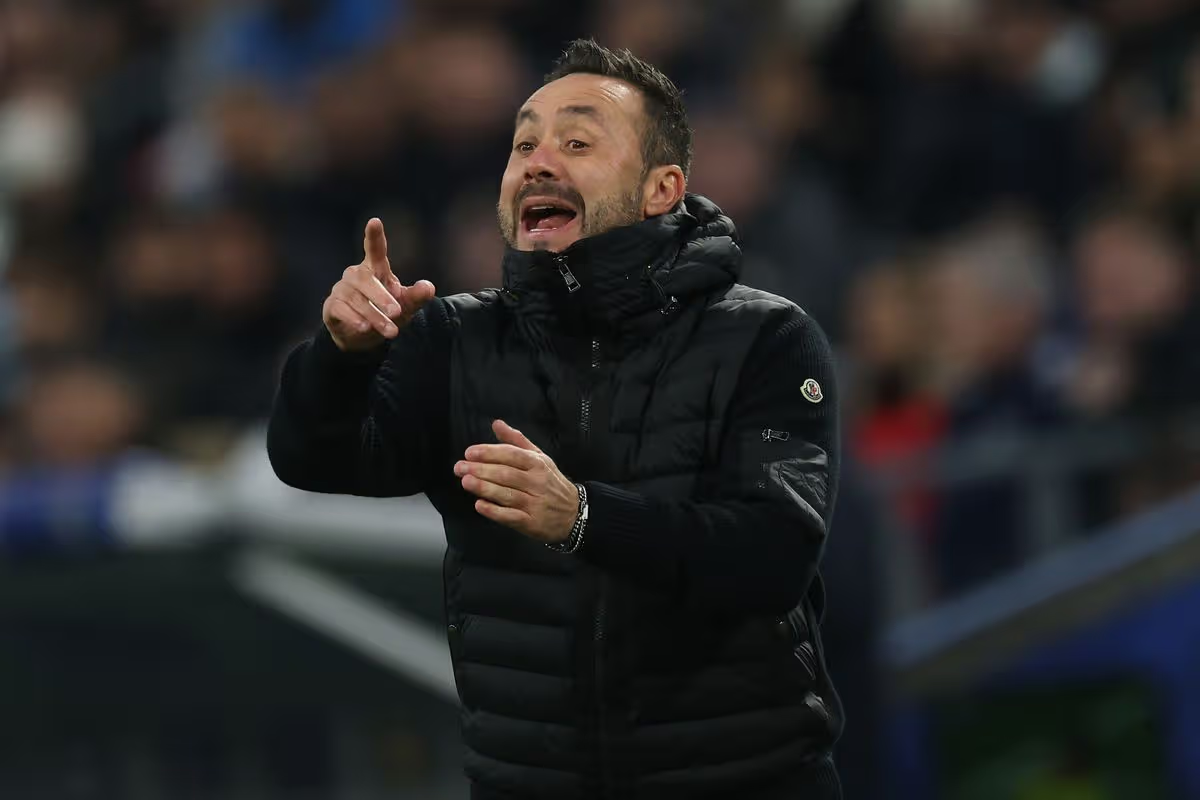
The managerial search at the Tottenham Hotspur Stadium appears to have reached a definitive, if somewhat startling, conclusion. Following the swift departure of Igor Tudor after just five Premier League matches, the North London club has reportedly moved with conviction to secure their primary target.
Reports emerging from Italy suggest that a formal contract proposal has been presented to Roberto De Zerbi, the 46-year-old tactician who has become one of the most talked-about figures in European coaching. While the interest in the Italian is not a surprise, the details of the offer have certainly raised eyebrows across the footballing world.
According to prominent sources, including Gianluca Di Marzio, Tottenham has offered De Zerbi a five-year contract to take immediate control of the first team. This represents a massive long-term commitment from the ENIC group, especially considering the club is currently teetering on the edge of the Premier League’s relegation zone.
De Zerbi, who is currently out of work after leaving Olympique de Marseille earlier this year, is expected to accept the deal in the coming days. This move signals that the Spurs hierarchy is looking far beyond the immediate crisis, betting on a total cultural and tactical overhaul that they hope will define the next half-decade of the club’s history.
The timing of this appointment is critical. Tottenham entered the March international break in a state of freefall, punctuated by a demoralizing 3-0 home defeat at the hands of Nottingham Forest.
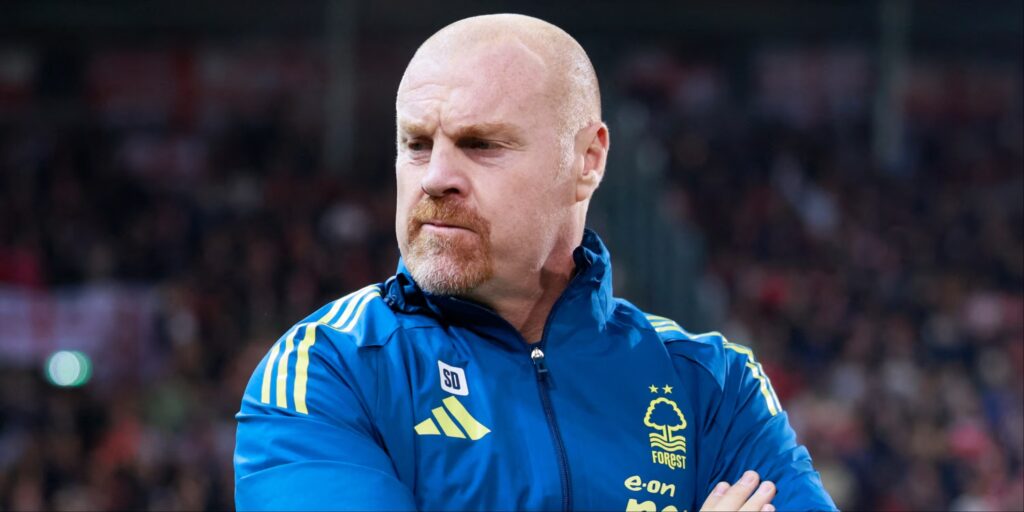
That result left the team just one point above the bottom three, with a fanbase that has grown increasingly disillusioned by a string of failed managerial experiments. While names like Sean Dyche were mentioned as potential “survival specialists” to navigate the final seven games, the board has instead opted for the high-risk, high-reward philosophy of De Zerbi.
The Italian’s recent stint in France saw him lead Marseille to a second-place finish and Champions League qualification, though his tenure ended abruptly following public disagreements with his squad and a disappointing European exit.
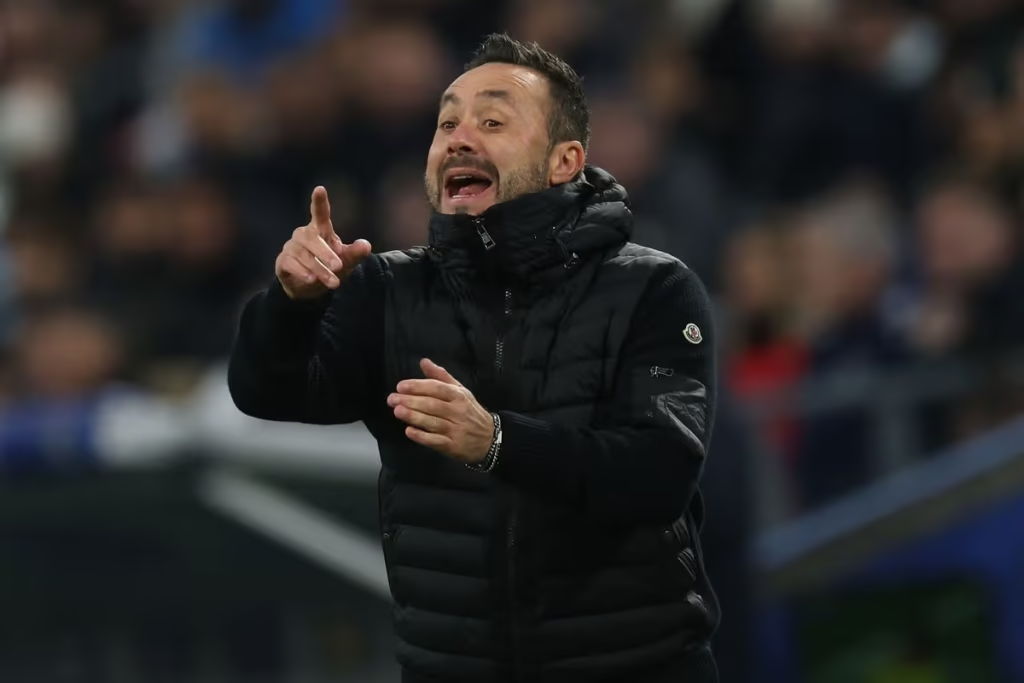
A five-year deal in the current climate is an undeniable gamble. If the “unthinkable” happens and Tottenham finds themselves in the Championship next season, they will be tied to a lucrative, long-term financial commitment with a manager whose wage demands reflect his status as an elite European coach.
Because Tottenham is negotiating from a weakened position of desperation, the terms of the deal are likely to be extremely favorable for De Zerbi. This represents a significant financial outlay for a club whose revenue would take a catastrophic hit in the event of relegation. Furthermore, De Zerbi is not a coach known for defensive pragmatism or “grinding out” results—the traditional requirements for a relegation scrap.
The Italian’s tactical identity is built on bravery, inviting high presses, and maintaining relentless possession in the attacking third. While this brand of football is exactly what the Tottenham supporters have been craving since the peak of the Mauricio Pochettino era, it also carries inherent risks.
Spurs currently possess a “weak underbelly” that has been exposed repeatedly this season, and De Zerbi’s expansive style could potentially leave an already fragile defense even more vulnerable. However, the hope is that his clear principles of play will finally unlock the potential of the club’s expensive young core, providing a much-needed boost in confidence and goals.
The task ahead for the new manager is daunting. De Zerbi will have essentially no “settling-in” period as he prepares the squad for seven matches that will decide the club’s fate.
The run-in begins with a difficult trip to the Stadium of Light to face Sunderland on April 12, followed by a deeply personal fixture for the manager: a home game against his former club, Brighton.
The schedule does not get any easier from there, with away trips to Wolves and Aston Villa, a high-stakes home game against Leeds United, and a penultimate London Derby against Chelsea. The season concludes with a home match against Everton that could very well be a final-day decider for Premier League survival.
| Tottenham’s Final 7 Matches | Date | Venue | Opponent |
| Match 1 | April 12 | Away | Sunderland |
| Match 2 | April 18 | Home | Brighton |
| Match 3 | April 25 | Away | Wolves |
| Match 4 | May 2 | Away | Aston Villa |
| Match 5 | May 9 | Home | Leeds United |
| Match 6 | May 17 | Away | Chelsea |
| Match 7 | May 24 | Home | Everton |
Despite the risks, the appointment of De Zerbi feels like a statement of intent. By offering a five-year deal, the board is telling the players, the fans, and the wider football world that they are done with short-term “fixes” that fail to stick.
They are handing the keys to a manager who demands total control and total commitment to a specific way of playing. For young stars like Archie Gray, Lucas Bergvall, and Mathys Tel, working under a coach with De Zerbi’s reputation for individual improvement could be the catalyst they need to reach the next level.
As the international break nears its end, the focus in North London shifts from the anxiety of the table to the excitement of a new beginning. The “De Zerbi era” is set to begin under the highest possible pressure. If his methods click instantly, he will be hailed as the man who saved the club from its darkest moment.
If they falter, the five-year commitment will be scrutinized as one of the most expensive gambles in the history of the Premier League. One thing is certain: with Roberto De Zerbi in the dugout, the final seven games of Tottenham’s season will be anything but boring.
