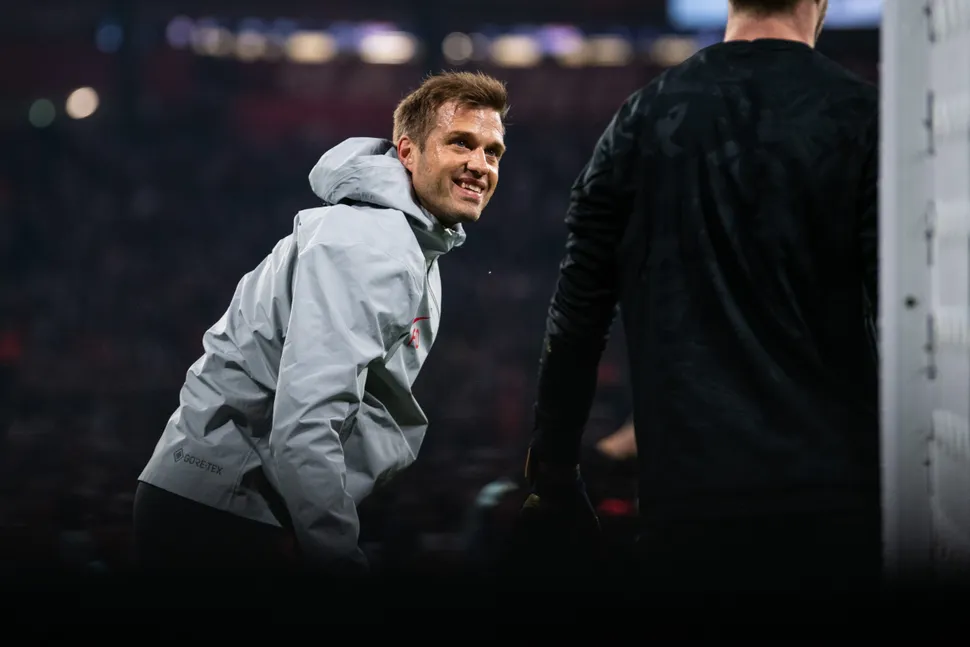
The internal state of Tottenham Hotspur has reached a point of high-stakes drama that feels more like a scripted television series than a professional football season.
In a campaign that began with the highest of hopes, the North London club now finds itself mired in a desperate battle for Premier League survival, a reality that few fans could have imagined when the first whistle blew back in August.
While the results on the pitch have been disappointing enough, a recent social media slip-up from within the coaching staff has pulled back the curtain on the medical and managerial dysfunction currently haunting the halls of the Tottenham Hotspur Stadium.
When Thomas Frank took over the managerial reins last summer, the narrative was one of tactical evolution and a push back into Europe’s elite competition. The season actually started with a massive statement of intent—a stunning victory against Manchester City at the Etihad Stadium. It felt like a new era of resilience and intelligence was dawning for Spurs.
However, that early spark proved to be a false dawn. What followed was a slow, painful slide down the table that eventually cost Frank his job. Now, under the guidance of Igor Tudor, the club is spiraling toward the relegation zone, sitting just a single point above the bottom three.
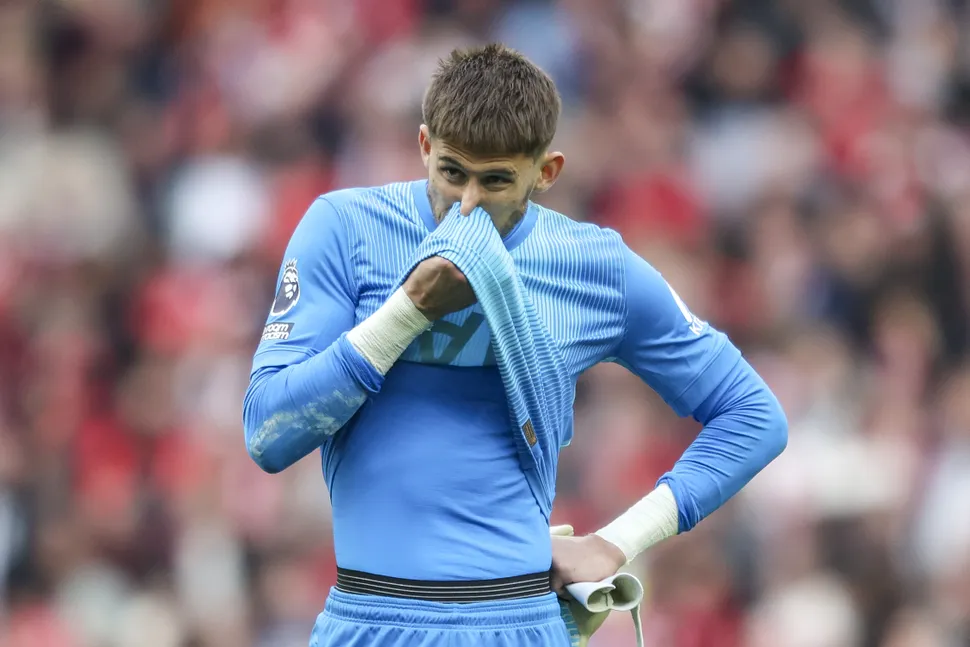
Amidst this tactical chaos, the form of goalkeeper Guglielmo Vicario has been a constant point of debate among pundits and supporters alike. Known for his incredible shot-stopping ability and high energy, the Italian international has looked like a shadow of his former self for much of the 2025/26 season.
His performances have been wildly inconsistent, swinging from moments of brilliance to uncharacteristic errors that have cost the team vital points. The situation reached a breaking point during the Champions League Round of 16 clash against Atletico Madrid, where Tudor made the bold and controversial decision to drop Vicario in favor of the relatively inexperienced Antonin Kinsky.
The gamble backfired spectacularly. Within the opening seventeen minutes of the match, Kinsky had already conceded three goals, forcing Tudor to make a humiliating tactical U-turn.
Vicario was subbed back onto the pitch to replace his own replacement, a move that signaled a total lack of confidence in the squad’s depth and a general sense of panic in the dugout. It was a bizarre sequence of events that left fans wondering why the goalkeeping situation had been handled so poorly.
The answer to Vicario’s erratic form may have finally come to light, though not through an official club press release. Fabian Otte, the club’s goalkeeping coach, recently posted a message on his personal Instagram account that seemed to accidentally reveal the truth.
In a tribute to Vicario, Otte expressed his immense respect for the goalkeeper, noting that the player had been struggling through significant physical issues for months just to be available for the team every single weekend.
The post essentially confirmed what many had suspected: Vicario has been playing through a persistent injury for the majority of the season. While Otte likely intended to praise his player’s toughness and dedication, the revelation has sparked a firestorm of criticism.
For a high-level Premier League club to allow its primary goalkeeper to play through an injury for months—especially when his form is clearly suffering—suggests a massive failure in medical management and squad planning. If Vicario was unfit, the responsibility lies with the coaching staff and the recruitment team to ensure a capable backup was ready to step in.
This leak is particularly damaging because of the timing. Tottenham is currently in a dogfight to stay in the top flight. In a relegation battle, every detail matters, and having a coach “blow the whistle” on a key player’s physical vulnerability provides unnecessary ammunition to opponents. It also highlights a lack of discipline within the backroom staff.
Otte is a highly experienced coach who has worked with Liverpool, Burnley, and the United States national team, yet he chose to share sensitive internal information on a public platform during the most sensitive part of the season.
Furthermore, the revelation casts a harsh light on the club’s activity—or lack thereof—during the January transfer window. If the coaching staff knew as early as late last year that Vicario was compromised, the failure to secure a match-ready, high-quality replacement is almost unforgivable. Relying on an unproven backup like Kinsky in a high-pressure European knockout game proved to be a disaster, and it now appears that disaster was entirely preventable.
The mood around Tottenham is now one of frustration and disbelief. The fans are watching a team that was built for Europe struggle to even stay in the league, while the internal secrets of the locker room are being spilled on social media. Tudor is still searching for his first league win, and the pressure is mounting by the hour.
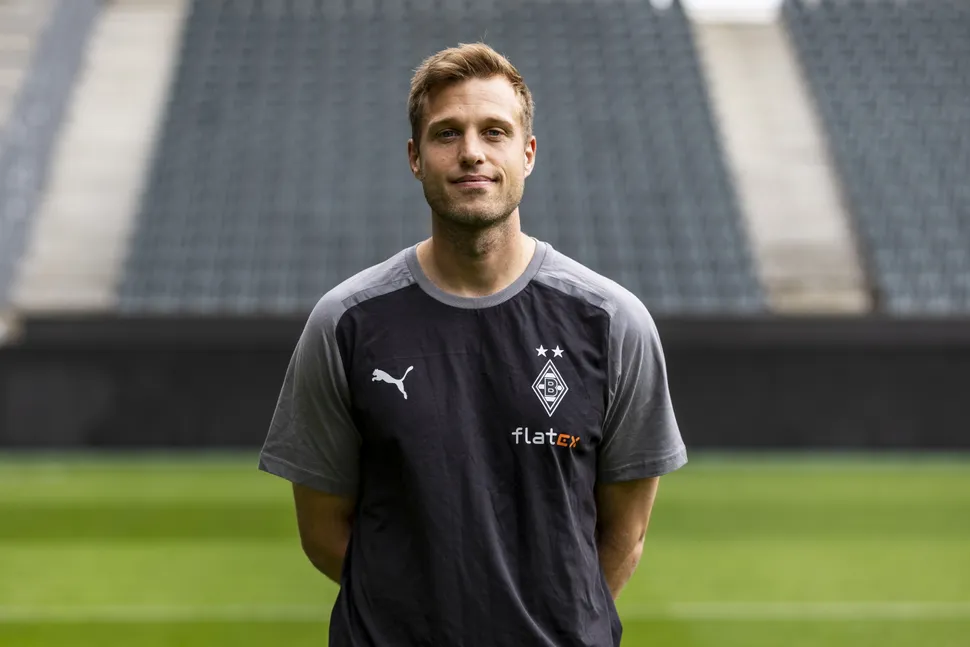
If Spurs are to avoid the catastrophe of relegation, they need to find a way to stabilize the squad and stop the leaks, both on the pitch and in the media.
Ultimately, Vicario’s bravery in playing through pain is commendable, but it serves as a symptom of a much larger problem at the club. When a team relies on an injured player because they don’t trust the alternatives, it is a sign of poor leadership at the highest levels.
As the season enters its final stretch, the focus must shift from excuses to results. Whether Vicario can continue to hold the line while injured remains to be seen, but the “whistleblower” moment from the coaching staff has ensured that all eyes will be on the Italian’s every move from now until May.
