The current state of affairs at Tottenham Hotspur has reached a level of tension that few supporters ever imagined possible.
We are no longer talking about the pursuit of silverware or the glamour of Champions League nights; the conversation has shifted toward a gritty, desperate fight for survival in the Premier League.
Following a demoralizing performance against Nottingham Forest, the club finds itself teetering on the edge of the abyss. This crisis has prompted former Spurs midfielder Jamie O’Hara to suggest a move that many would find unthinkable: bringing back a former manager to steady a ship that is rapidly taking on water.
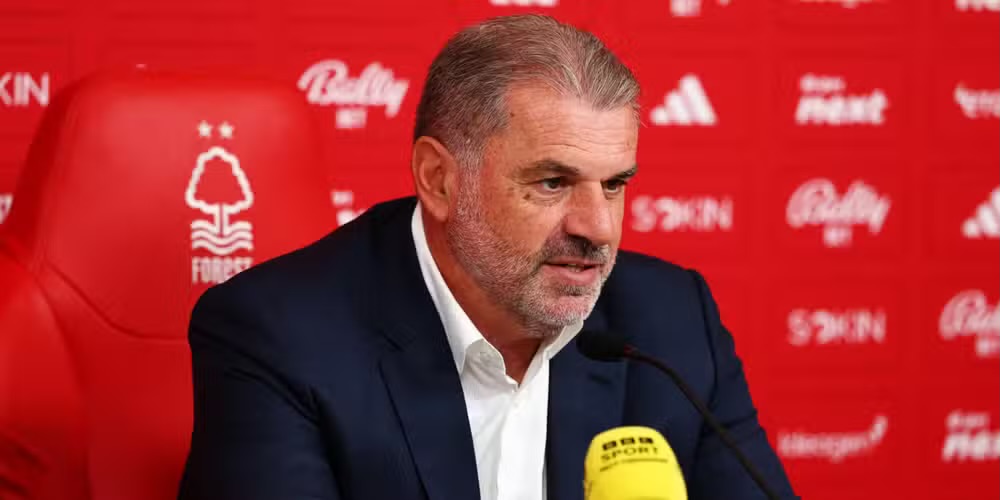
The recent 3-0 loss at home to Nottingham Forest was more than just a defeat; it was a surrender. For a club of Tottenham’s stature to be outclassed on their own turf by a direct relegation rival is a damning indictment of the current regime.
Under the guidance of Igor Tudor, the team has looked devoid of inspiration and tactical clarity. The result allowed Forest to leapfrog them in the standings, leaving Spurs languishing in 17th place.
With only seven matches remaining in the season and a slim one-point cushion above the relegation zone, the hierarchy at the club is reportedly weighing a difficult decision regarding the managerial position.
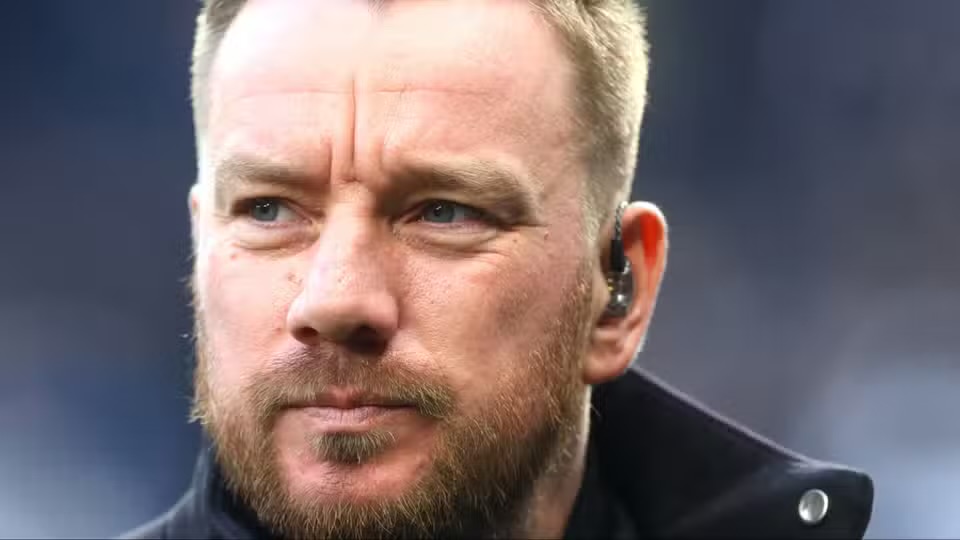
Jamie O’Hara, never one to shy away from bold opinions, voiced his concerns on talkSPORT. His assessment of the situation was blunt. He suggested that the club has reached a point of such profound desperation that he would actually consider reappointing Ange Postecoglou.
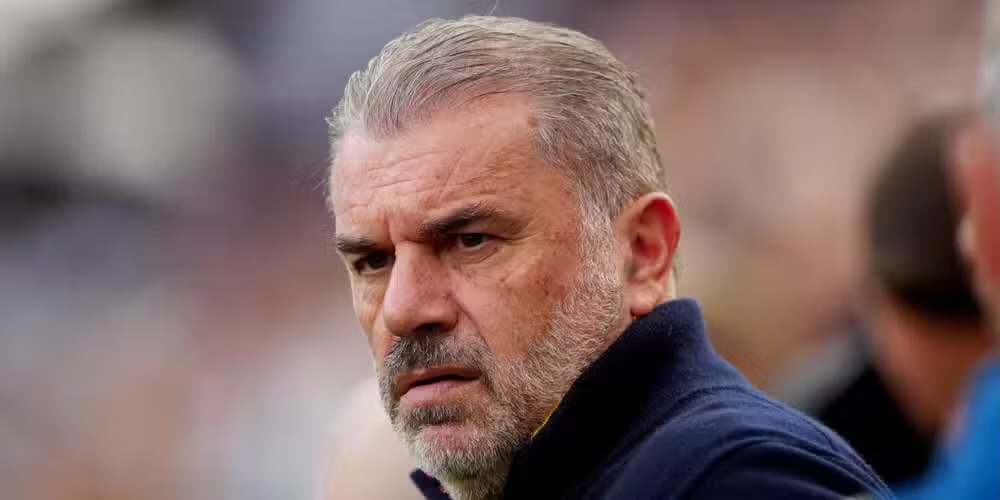
It is a startling admission, especially considering the circumstances under which Postecoglou originally departed. While he did manage to secure a trophy for the club, his previous tenure in the league was marred by inconsistencies that nearly saw the team dragged into a scrap at the bottom of the table.
The suggestion of a Postecoglou return highlights a fascinating dilemma. O’Hara’s logic seems to be rooted in the idea that a familiar face who understands the club’s DNA might be a better gamble than sticking with a failing system.
However, the reality of the situation is far more complex. Modern football rarely rewards nostalgia, and “desperate measures” often lead to further instability.
The club is currently in a sensitive position, not just because of the league table, but because of the personal tragedy surrounding Tudor, whose father recently passed away. The board is forced to balance the cold necessity of sporting results with the human element of leadership.
When you look at the tactical requirements of a relegation battle, the argument for Postecoglou begins to weaken significantly.
He is a manager defined by a very specific, high-risk philosophy. His “Ange-ball” approach is built on relentless attacking, high defensive lines, and an uncompromising commitment to entertainment.
While that style is thrilling when it works, it is the polar opposite of what a team usually needs when they are fighting to stay in the top flight.
In the final weeks of a season, survival usually depends on defensive solidity, organizational discipline, and a “back-to-basics” mentality. Postecoglou’s methods are complex and require time to implement—a luxury Tottenham simply does not have with only seven games left on the calendar.
The skepticism surrounding this potential move is well-founded. Many observers believe that returning to Postecoglou would be a catastrophic error. Although he broke the club’s trophy drought, the league form during his final months was alarming.
The team was fortunate to avoid a true relegation scare last time around, and there is little evidence to suggest that his high-octane style would suddenly solve the defensive frailties that have plagued the current squad.
Tottenham doesn’t need a visionary right now; they need a pragmatist. They need someone who can grind out 1-0 wins and simplify the game for a group of players whose confidence has clearly been shattered.
The decision-makers at Tottenham are facing one of the most consequential periods in the club’s modern history. Choosing to sack a manager during a personal crisis is a public relations minefield, but failing to act could result in the financial and reputational ruin of playing in the Championship.
If they do decide to move on from Tudor, the appointment must be clinical and focused entirely on the short-term goal of securing 40 points.
In the world of football punditry, it is easy to suggest “desperate moves” like the one O’Hara proposed. It makes for great radio and sparks heated debates among the fanbase. But for the people actually running the club, the choice is far grimmer.
They have to decide if they trust Tudor to find a second wind, or if they believe a new voice—even a familiar one—can provide the shock to the system required to keep Spurs in the Premier League.
As it stands, the idea of Postecoglou returning to the dugout feels like a move born out of panic rather than a calculated strategy for success. Tottenham is a club in search of an identity, but right now, they just need a way to survive.
