The atmosphere at the Tottenham Hotspur Stadium has grown increasingly cold, and nothing illustrates the internal frost better than the silence following Thomas Frank’s departure. In the modern era of professional football, social media often acts as the unofficial barometer of a locker room’s emotional state.
When a manager is dismissed, the digital world is usually flooded with carefully crafted farewells and “thank you” messages. Yet, the silence coming from the club’s most influential figures, particularly Cristian Romero, has resonated louder than any public statement could.
This lack of acknowledgment from the vice-captain and defensive anchor suggests a deep-seated disconnect that Igor Tudor, the newly appointed interim coach, must address immediately if he hopes to save the club from a historic collapse.
Thomas Frank was relieved of his duties after a disastrous run of form that left the North London giants languishing in 16th place, only three points clear of the relegation zone. The final blow came in the form of a 2-1 loss to Newcastle United, marking an eight-game winless streak that turned the supporters and seemingly many of the players against the project.
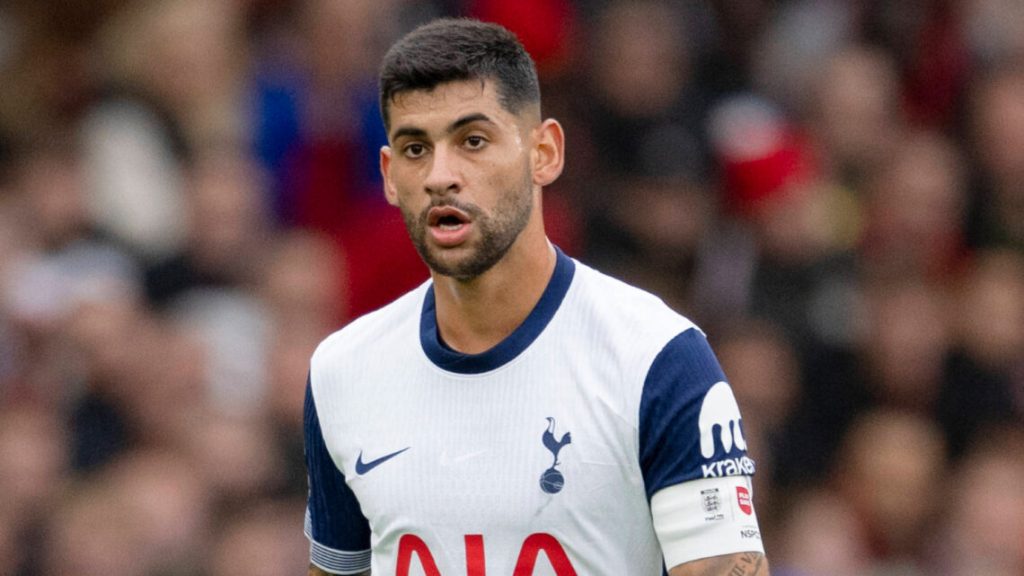
While a few members of the squad, such as Richarlison, Joao Palhinha, and Pedro Porro, took to their platforms to share brief parting words, the majority of the team remained conspicuously quiet.
The focus, however, remains squarely on Romero. The Argentinian center-back has never been shy about expressing his emotions. When Ange Postecoglou left the club last year, Romero published a lengthy, heartfelt tribute, praising the Australian not just as a tactical mastermind but as a “fantastic person” who deserved the best for overcoming the many obstacles within the club.
That message also highlighted the pride Romero felt in winning a trophy under Postecoglou, cementing his place in the club’s history. The fact that the same player offered absolutely nothing to Thomas Frank speaks volumes. It isn’t just a social media “snub”; it is a clear indicator that the bond between the coaching staff and the senior leadership had completely disintegrated long before the official announcement was made.
This situation leaves Igor Tudor facing a massive cultural hurdle. Tudor is known for his uncompromising, intense, and often abrasive coaching style a method that has worked wonders in Italy and France but requires total buy-in from the dressing room to succeed.

He isn’t just inheriting a team that is struggling for fitness or tactical direction; he is inheriting a fractured squad that appears to be lacking in unity and basic professional respect for the leadership structure. To turn things around, Tudor must first act as a diplomat, pulling together a group of players who seem to have checked out mentally.
The timing could not be more treacherous. Tudor’s debut on the touchline comes in the high-voltage environment of the North London derby against Arsenal this Sunday. There is no fixture in the world more capable of exposing a lack of unity than a derby against a title-contesting rival.
If the players are not “onside” and fighting for each other, the Gunners could inflict a defeat that would not only damage the team’s pride but could realistically see them fall into the bottom three. Every point now carries the weight of the club’s Premier League status, and Tudor’s ability to steady the ship will be tested within minutes of the opening whistle.
Beyond the immediate crisis, there is a growing sentiment among the fanbase that a deeper “clear-out” is necessary. The discussion has already moved toward identifying the “flops” who should follow Frank out the door.
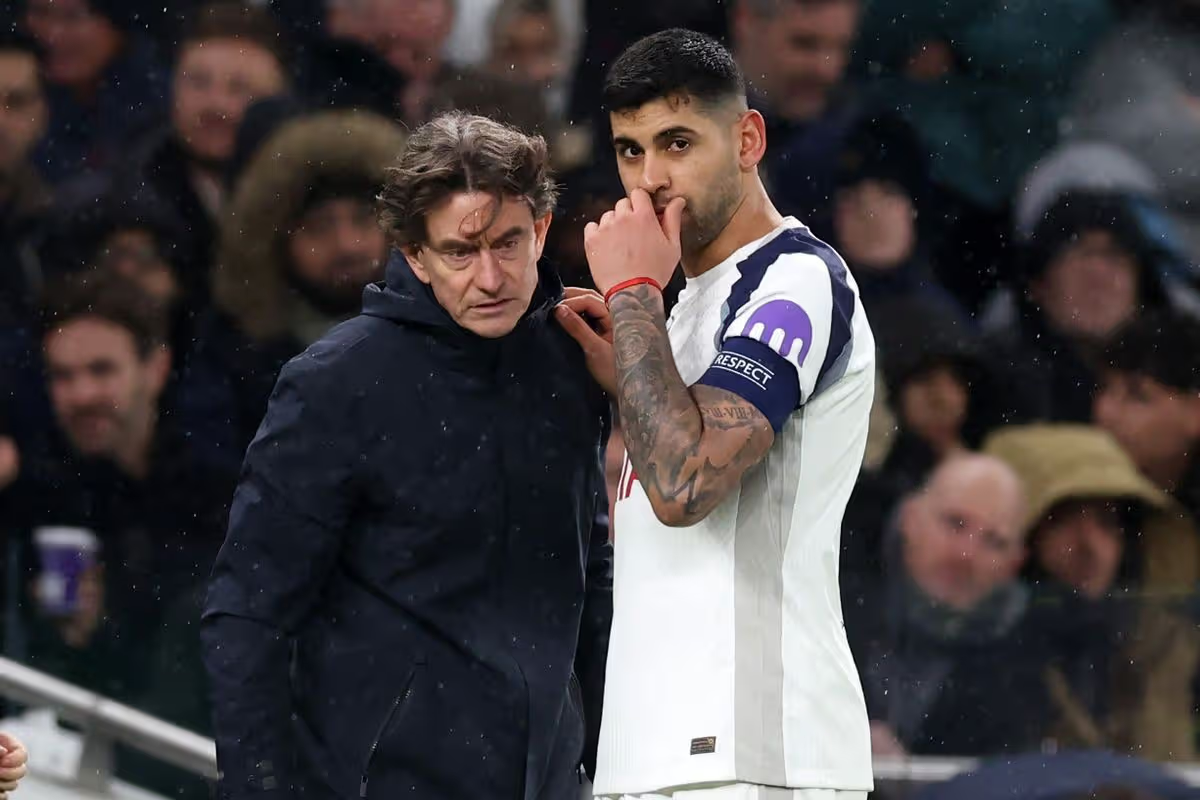
For a club that prides itself on its elite status and world-class facilities, the current lack of professionalism in the dressing room is an embarrassment. If senior players are unwilling to show even the most basic public courtesy to a departing manager, it suggests that the rot may be too deep for a simple coaching change to fix.
The coming weeks will reveal whether Tudor’s arrival acts as a much-needed shock to the system or if the internal divisions are too wide to bridge. He must find a way to make Romero and his peers feel accountable again.
The Argentine’s silence may have been a snub to Frank, but it was also a message to the board that the players were unhappy. Now that the change has been made, the excuses have run out. The focus must shift back to the pitch, where a historic club is fighting for its life. Unity is no longer just a buzzword; for Tottenham Hotspur, it is now a requirement for survival.
