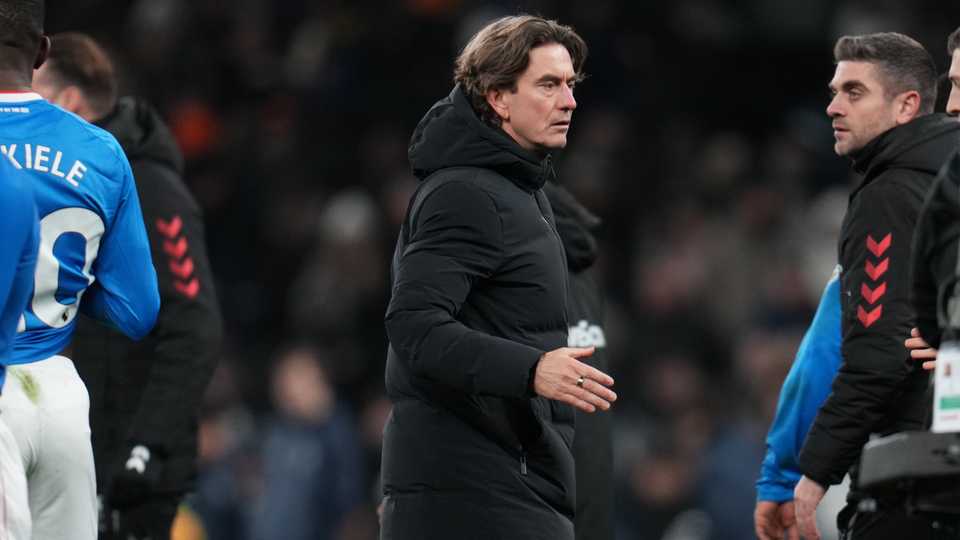
Tottenham Hotspur are at a crossroads, and the future of manager Thomas Frank is under intense scrutiny. Since taking over in the summer from Ange Postecoglou, who led Spurs to a Europa League triumph but oversaw the club’s worst Premier League finish in history, the 52-year-old has faced relentless pressure.
Expectations were mixed when Frank arrived, but more than half the season has passed, and Tottenham sit in a disappointing 14th place in the Premier League. They have already been eliminated from both the FA Cup and Carabao Cup, and while a chance at the Champions League knockout stages still exists, they trail by just one point for automatic qualification with two matches remaining.
Matches against Borussia Dortmund and Eintracht Frankfurt loom large, and although there is cautious optimism, fans are increasingly frustrated with the standard of football on display.
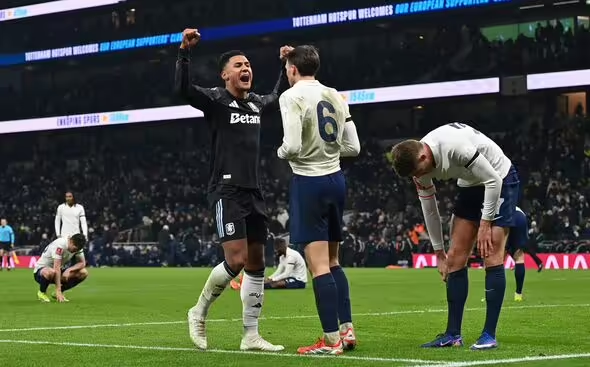
Fan discontent has been palpable, with boos resonating around stadiums, most notably after the FA Cup defeat to Aston Villa. The instability extends off the pitch too, with sporting director Fabio Paratici reportedly set to leave for Fiorentina in February.
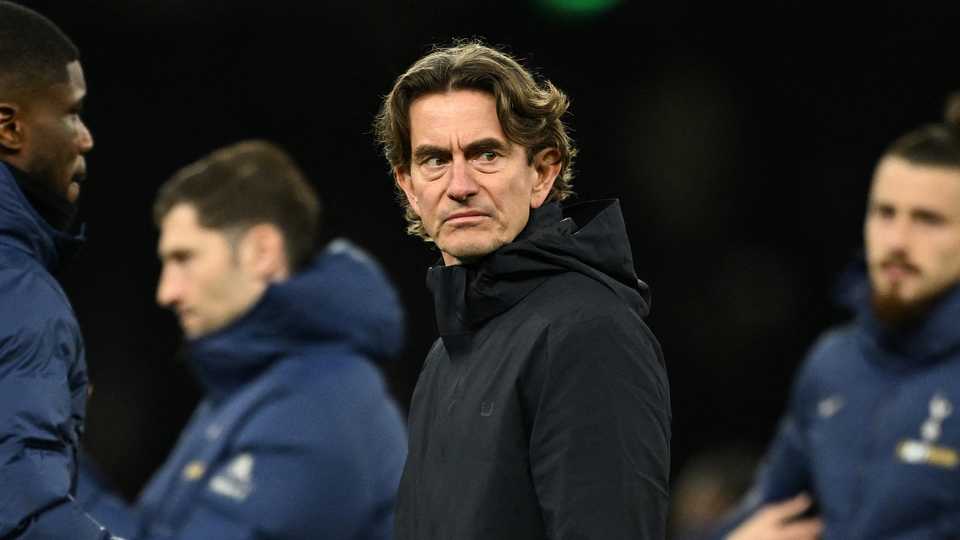
Amid this turmoil, Frank’s position appears increasingly precarious. Supporters may be tempted to call for his departure, but context is crucial. Last season, Spurs finished 17th, and despite the Europa League victory, the quality of opposition in that campaign was inconsistent.
The league is tightly packed, with just nine points separating 15th from fourth place, meaning a few strong results could reignite hopes of a top-four push. Clubs like Newcastle United, Brentford, and Aston Villa have demonstrated the possibility of rapid improvement, while the decline of teams such as Crystal Palace and Bournemouth offers a stark reminder of football’s unpredictability.
Tottenham are only six points off fifth place and just a single point behind the automatic Champions League spots. However, mid-season replacements are rarely straightforward.
There are no clear candidates ready to step in immediately, and high-profile options such as Andoni Iraola might be reluctant to leave their current positions. Spurs’ managerial history has also made the role more challenging to fill.
Jose Mourinho, Antonio Conte, and Ange Postecoglou all faced difficulties, despite achieving various levels of success. The frequent turnover of managers has created a perception of instability that may deter prospective hires, meaning that any replacement would likely need to be incentivized with top-tier salaries and long-term assurances.
Frank’s survival hinges on immediate results. The pressure of managing a “big six” club like Spurs is immense, with expectations amplified by a passionate fanbase and constant media scrutiny. Yet, he faces challenges in gaining the trust of supporters and players alike.
The current style of play lacks cohesion and inspiration, leaving Frank without the leeway enjoyed by his predecessor, who at least delivered entertaining football despite inconsistent results. Tottenham’s poor run one win in seven matches and three in fourteen overall suggests the team is underperforming relative to its potential.
The squad boasts considerable attacking talent, but Frank has struggled to extract consistent performances, particularly in the absence of creative cohesion in midfield and at the front.
Options for Spurs are limited but must be considered carefully. Cutting ties mid-season risks making the managerial role less appealing, but persisting with Frank could also be detrimental.
One approach could be appointing an interim manager until the summer, allowing the club to reset while keeping the position attractive to top candidates. Names linked to potential future appointments include Ruben Amorim, Oliver Glasner, Marco Silva, Andoni Iraola, Thomas Tuchel, and even Mauricio Pochettino.
Waiting until the summer could allow Tottenham to access managers leaving their current roles or out of contract, potentially saving significant compensation fees while attracting high-quality candidates.
Frank has delivered mixed results: two wins in 12 Premier League matches this winter, five wins in his last 20 games overall, and seven losses in his last 13 across competitions.
Despite this, his past record at Brentford demonstrates his managerial capability, and he deserves credit for laying groundwork in a challenging environment. The current schedule presents opportunities for redemption, with key matches against West Ham, Borussia Dortmund, Burnley, and Eintracht Frankfurt.
By the end of the month, the club will have a clearer picture of whether Frank can stabilize the team and turn the season around, or whether decisive action is necessary to reset Tottenham’s ambitions.
| Factor | Current Status | Implications |
|---|---|---|
| League Position | 14th | Poor form, below expectations |
| Cup Competitions | FA Cup & Carabao Cup eliminated | Limits silverware opportunities |
| Champions League | 1 point behind automatic qualification | Remains achievable with strong results |
| Squad | Talented, especially in attack | Underperforming under current tactics |
| Fan Sentiment | Boos and frustration | Adds pressure to managerial role |
| Managerial History | Frequent turnover | Makes the position challenging for replacements |
| Options | Interim, summer replacements | Ruben Amorim, Oliver Glasner, Marco Silva, Andoni Iraola, Thomas Tuchel, Mauricio Pochettino |
| Short-Term Fixtures | West Ham, Borussia Dortmund, Burnley, Eintracht Frankfurt | Opportunities for redemption or further decline |
| Recent Form | 1 win in 7 league games | Highlights need for immediate improvement |
| Long-Term Strategy | Stabilize, then appoint summer replacement | Balances short-term results with long-term planning |
Frank’s fate will likely be decided by immediate performances, with a few positive results potentially buying him more time. However, Spurs must be pragmatic and consider all options, balancing the need for stability with the requirement to restore attacking intent and consistency.
In the high-pressure environment of North London, patience is limited, and every game carries weight in shaping the club’s immediate and future trajectory.
